


If you are looking up a HIFU treatment review, you are probably weighing one very specific question: can a non-surgical treatment actually lift and tighten skin in a way you will notice in the mirror? That is the right question to ask, because HIFU is not magic, but for the right person, it can be a smart and genuinely satisfying treatment.
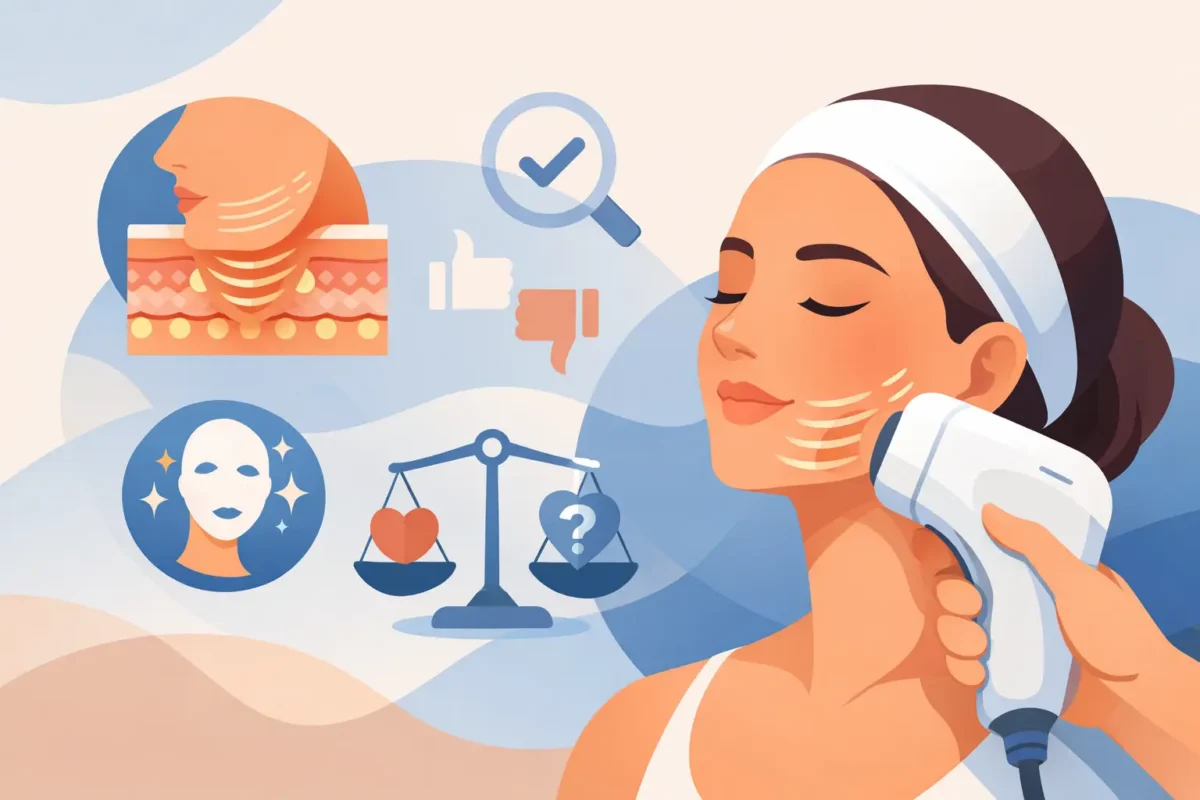
High-Intensity Focused Ultrasound, or HIFU, is designed to deliver focused energy below the surface of the skin where collagen remodeling happens. The goal is firmer, tighter-looking skin over time, especially around the jawline, cheeks, neck, and brow area. What makes it appealing is simple – no surgery, no cutting, and very little downtime.
The real value of HIFU is not that it replaces a facelift. It does not. Its strength is that it offers measurable improvement for people who want a more defined, refreshed look without stepping into surgical territory. If your expectations are realistic, HIFU can feel like the science of smart skin in action.
HIFU treatment review: what it actually does
A lot of treatments promise “tightening,” but not all tightening treatments work the same way. HIFU stands apart because it targets deeper structural layers of tissue, including the SMAS layer that surgeons also address during a facelift. That does not mean the results are equal to surgery, but it does explain why HIFU has earned a strong reputation in facial rejuvenation.
During treatment, ultrasound energy is delivered at set depths under the skin. This creates controlled thermal injury points, which sounds dramatic but is actually the intended mechanism. Your body responds by producing fresh collagen and remodeling existing tissue. The visible result usually develops gradually, not overnight.
That timeline matters. HIFU is for clients who can be patient. Some people notice a subtle lift or firmness fairly quickly, but the fuller result tends to show over eight to twelve weeks, sometimes longer. If you want instant dramatic change before a big event next weekend, this is probably not the right fit.
Who gets the best results from HIFU?
The best HIFU candidates are usually people with mild to moderate skin laxity. Think early jowling, softening along the jawline, mild drooping under the chin, or a general sense that the face looks less firm than it used to. It tends to work best when the skin still has enough natural elasticity to respond well to collagen stimulation.
Age alone is not the deciding factor. Skin quality, degree of laxity, and overall treatment goals matter more. Someone in their late 30s with early loss of definition may be a better candidate than someone in their 60s with more advanced sagging and heavier tissue. In the second case, HIFU may still help, but the result may be modest rather than transformative.
This is one of the biggest reasons HIFU reviews vary so much. When the right treatment is matched to the right person, satisfaction is often high. When someone expects surgical-level lifting from one non-invasive session, disappointment is almost guaranteed.
What HIFU feels like during treatment
Pain is one of the first things people want addressed in any honest HIFU treatment review. The answer is that comfort varies. Some clients describe the treatment as mildly uncomfortable, while others find certain areas sharply intense for a few seconds at a time.
The sensation is often described as heat, tingling, or quick zaps deep under the skin. Areas with less padding, such as the jawline or forehead, can feel more sensitive. A skilled provider makes a difference here. Proper settings, proper technique, and a thoughtful treatment plan can improve both safety and comfort.
The encouraging part is that discomfort typically ends when the handpiece moves on. There is no drawn-out recovery pain for most people. You may leave with mild tenderness, some redness, or slight swelling, but many clients return to normal routines the same day.
Downtime, aftercare, and when you look normal again
One of the strongest selling points of HIFU is minimal downtime. Most people do not need to hide out at home after treatment. Skin may look a little pink for a few hours, and some areas can feel tender or slightly puffy, but obvious post-treatment signs are usually limited.
You can generally go back to work, errands, or social plans quickly. That said, “no downtime” should not be confused with “no healing process.” The collagen-building response is happening beneath the surface for weeks. You may not look dramatically different the next morning, and that is completely normal.
It is also normal for results to unfold unevenly in your own perception. Some days you may think nothing is happening. Then a few weeks later, you may notice your jawline looks cleaner in photos or your lower face appears less heavy. HIFU tends to reveal itself slowly rather than announce itself all at once.
The results: subtle, natural, and highly dependent on expectations
The best HIFU results usually look natural. That is a major advantage for many clients. Your face should still look like your face, just firmer, fresher, and a little more lifted. For people who want improvement without looking “done,” this can be exactly the appeal.
But subtle and natural can also be frustrating if you are hoping for a dramatic shift. HIFU is not the treatment to choose if your goal is a major repositioning of loose skin. It shines in refinement. It can sharpen contours, improve skin tightness, and support a more youthful appearance, but it does so within the limits of non-surgical technology.
Results also depend on the device used and the provider performing the treatment. Not every machine marketed as HIFU delivers the same experience or outcome. In a clinical setting focused on physician-led aesthetics, the treatment plan is more likely to be based on anatomy, skin condition, and realistic end goals rather than a one-size-fits-all promise.
HIFU treatment review: common pros and cons
What people love most about HIFU is that it offers a real tightening approach without surgery, needles in the treatment zone, or extended recovery. It fits busy lives. It appeals to clients who want visible improvement but are not ready for invasive procedures. It also pairs well with a broader skin strategy that may include resurfacing, pigment correction, or injectables depending on your concerns.
The downside is that HIFU requires patience and perspective. It is not cheap compared with entry-level facial treatments, and the result is not instant. Some clients need maintenance over time, and some may benefit from combining HIFU with other treatments to address texture, volume loss, or pigmentation that tightening alone cannot fix.
There is also the simple truth that not everyone is an ideal candidate. If skin laxity is advanced, surgery may still be the more effective route. A trustworthy clinic will say that clearly instead of overselling what ultrasound can do.
Is HIFU worth the cost?
This depends on what you are comparing it to. If you compare HIFU with a basic facial, it will feel expensive. If you compare it with surgery, anesthesia, and surgical recovery, it becomes much easier to understand its value. For many clients, the appeal is not just the price itself but the balance of cost, convenience, and visible change.
HIFU can be worth it when your goals are realistic and your provider is experienced. It tends to be a strong value for people who want early intervention, subtle lifting, and a treatment that supports long-term collagen renewal. It is less worth it if you are chasing a dramatic overhaul or if your main issue is volume loss rather than laxity.
That distinction matters. A face can look older for several reasons at once: sagging, hollowing, dull texture, sun damage, and pigmentation. HIFU addresses one piece of that puzzle very well, but not every piece.
Final verdict on HIFU
A fair HIFU treatment review lands somewhere between the hype and the skepticism. Yes, it can tighten and lift. Yes, the results can look elegant and natural. And yes, the right candidate can feel noticeably more confident after treatment. But the keyword is right. Right candidate, right provider, right expectations.
For clients who want a modern, non-surgical path to firmer skin, HIFU remains one of the more compelling options in aesthetic medicine. If you are considering it, the smartest next step is not guessing from before-and-after photos alone. It is getting an expert assessment of your skin, your facial structure, and what kind of result is honestly achievable. That is where confidence begins, and where better results usually follow.