


If you are considering laser hair removal long term, the real question is not whether it works. It is how well it holds up months and years after your treatment plan ends. For most people, laser hair removal delivers a major reduction in hair growth, smoother skin, and far less time spent shaving or waxing. What it does not usually mean is that hair will never return under any circumstance.
That distinction matters. When you understand what long-term results actually look like, it becomes much easier to choose treatment confidently, set realistic expectations, and get the best value from every session.
What laser hair removal long term really means
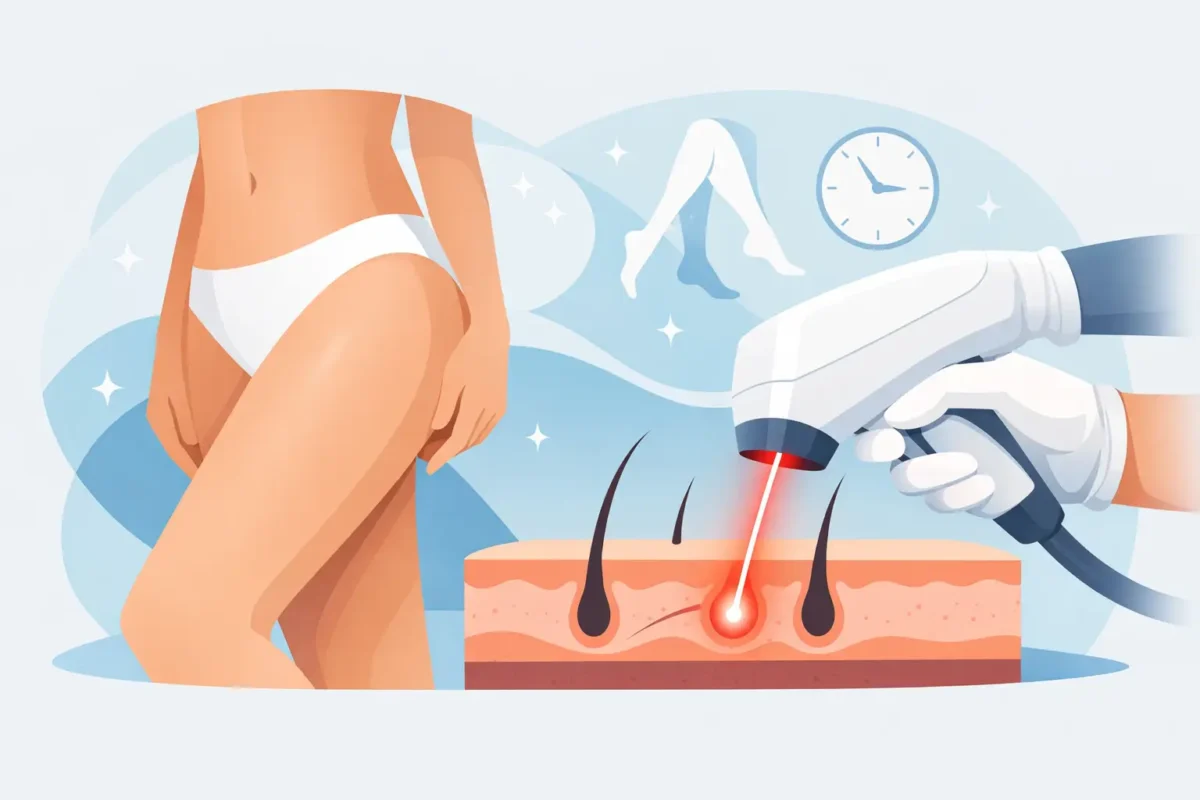
Laser hair removal targets pigment in the hair follicle. The heat from the laser damages the follicle enough to slow or stop future growth. Because hair grows in cycles, only some follicles are active at the time of each appointment, which is why treatment is done as a series rather than a single session.
Long term, most clients see a significant and lasting reduction in hair density and thickness. Hair that does come back is often finer, lighter, and much less noticeable. Many people go from daily shaving or frequent waxing to only occasional touch-ups.
This is why reputable clinics usually describe laser hair removal as long-term hair reduction rather than guaranteed permanent removal. The difference is not marketing language. It reflects biology. Hormones shift, dormant follicles can become active, and some body areas respond better than others.
How long do results usually last?
Results vary, but many clients enjoy long-lasting improvement after completing their initial treatment series. That series often ranges from six to eight sessions, though some people need more depending on hair type, skin tone, treatment area, and hormonal factors.
After that, it is common to have long stretches with very little regrowth. Some people need a maintenance session once or twice a year. Others go longer. Areas like the underarms and lower legs often respond very well and stay smoother for extended periods. Facial hair can be more unpredictable, especially when hormones are involved.
A good way to think about laser hair removal long term is this: the goal is not chasing a perfectly hair-free body forever after one round of treatment. The goal is dramatically less hair, less upkeep, and better skin comfort over time.
Why some areas respond better than others
Not all hair behaves the same way. Coarse, dark hair usually responds best because it gives the laser more pigment to target. That is one reason underarms, bikini areas, and lower legs are often popular treatment zones with strong results.
Finer hair can be more stubborn. Facial hair, especially around the chin and upper lip, may improve significantly but can require more consistency and maintenance. Hormonal stimulation plays a big role here. If new follicles are activated over time, fresh growth can appear even after earlier follicles responded well.
Skin tone matters too, but not in the simplistic way people often assume. Modern laser systems can treat a wider range of skin types more safely and effectively than older technology, as long as the settings are chosen properly by trained professionals. The device, the practitioner, and the treatment plan all matter.
What affects long-term laser hair removal results?
Several factors shape how durable your results will be. The first is treatment timing. If sessions are spaced correctly, the laser can catch more hairs during the active growth phase. If appointments are inconsistent, progress may slow.
The second is your hair and skin profile. Darker, coarser hair tends to respond faster. Very light blond, gray, white, or red hair may not respond as well because there is less pigment for the laser to identify.
Hormones are another major factor. Conditions such as PCOS, thyroid imbalance, pregnancy-related shifts, or menopause can influence regrowth. That does not mean laser hair removal is not worth doing. It means your long-term plan may include periodic maintenance to keep results looking polished.
Sun exposure can also affect treatment timing and safety. Tanned skin may require schedule adjustments or more conservative settings. Following pre- and post-care instructions helps protect the skin and supports better outcomes across the full series.
Is laser hair removal permanent?
This is where honesty matters. Some follicles may be permanently disabled, and some treated hairs may never return. But as a blanket promise, permanent hair removal is too absolute for most clients.
The more accurate expectation is long-term reduction with possible maintenance. For many people, that still feels life-changing. Less ingrown hair, fewer bumps, smoother texture, and far less daily grooming can make a visible difference in both comfort and confidence.
That is especially true for clients who are tired of the cycle of shaving irritation, waxing appointments, or dealing with razor burn in sensitive areas. Even when maintenance is needed, the amount of effort is usually far lower than traditional hair removal methods.
The trade-off: upfront commitment vs long-term convenience
Laser hair removal asks for patience at the start. You need multiple sessions, consistent scheduling, and some waiting between appointments. Results build over time rather than all at once.
But that upfront commitment often pays off in convenience. Instead of buying razors, scheduling waxes, or planning around visible stubble, many clients get a much simpler routine. That is the long-term appeal. You are not just reducing hair. You are reducing maintenance.
Cost works the same way. Laser can feel like a bigger investment initially, but over the long run it may compare favorably to years of waxing, shaving products, and the time spent managing regrowth. The value is even clearer when you factor in skin comfort and consistency.
What maintenance really looks like
Maintenance does not mean starting over. In most cases, it means occasional touch-up sessions to address minor regrowth. These sessions are usually spaced far apart compared with the original treatment schedule.
Some clients never need much maintenance at all. Others, especially those treating hormonally influenced facial hair, may benefit from more regular follow-up. The right approach depends on your body, your goals, and how smooth you want the area to stay.
This is one reason a medically informed clinic matters. Good providers do not oversell perfection. They explain your likely response, track your progress, and adjust your plan based on how your skin and hair actually behave.
Signs you are a good candidate for long-term success
You may be a strong candidate if you have darker hair, want to treat areas with recurring shaving irritation, and are ready to complete a full series rather than stopping after one or two sessions. You are also more likely to be happy with the outcome if your goal is substantial reduction rather than an unrealistic promise of never seeing a single hair again.
People with hormonal hair growth can still benefit, but they should go in knowing that maintenance may be part of the long-term picture. That is not a failure of treatment. It is simply a more personalized strategy.
If you are unsure, a proper consultation is where clarity begins. A qualified provider can assess your skin, hair, medical history, and treatment areas and give you a more realistic forecast than any generic online claim.
Choosing a provider for better long-term results
Technology matters, but so does judgment. The right laser has to be paired with the right settings, spacing, and skin assessment. A rushed, one-size-fits-all approach can limit results or increase the risk of irritation.
When comparing providers, look for clinical experience, a clear treatment plan, and honest communication about timelines and maintenance. That standard of care is especially valuable if you have sensitive skin, pigmentation concerns, or a history of ingrown hairs.
For clients in Atlantic Canada, clinics such as Bloom Laser Clinic appeal to people who want advanced aesthetic technology with a more approachable, results-focused experience. That balance of expertise and accessibility matters when you are investing in a treatment meant to last.
A smart expectation leads to better satisfaction
The clients happiest with laser hair removal long term are usually the ones who understand what they are buying. Not a miracle. Not a one-time fix. A science-based treatment that can significantly reduce hair growth, improve skin comfort, and simplify your routine for the long haul.
If that is what you want, laser hair removal can be one of the most practical beauty decisions you make. The best results are not just measured by how little hair comes back, but by how much easier your life feels when it does not need your attention every day.