


A lot of people start by asking the same thing: what is laser hair removal and how does it work? Usually, that question comes after years of shaving, painful waxing appointments, ingrown hairs, or stubble that seems to return almost immediately. Laser hair removal is popular because it offers something those routines do not – a long-term reduction in unwanted hair with a treatment plan built around precision.
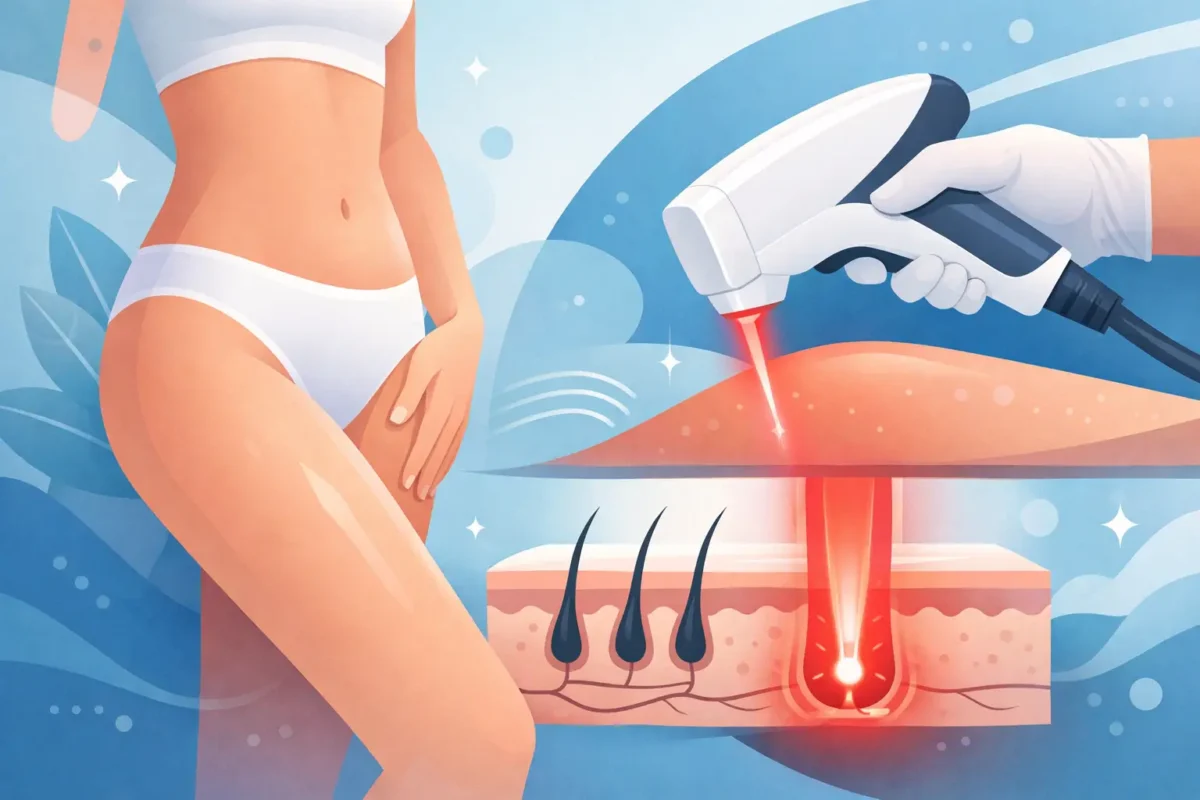
At its core, laser hair removal uses concentrated light energy to target the pigment in the hair follicle. That energy turns into heat, which damages the follicle enough to slow down or stop future growth. The goal is not to remove every hair forever in a single visit. The goal is a dramatic reduction in growth over time, with skin that feels smoother and easier to maintain.
What Is Laser Hair Removal and How Does It Work?
Laser hair removal is a non-surgical treatment designed to reduce unwanted hair on areas such as the face, underarms, legs, bikini line, chest, back, and arms. A medical-grade laser emits light at a wavelength chosen to target melanin, the pigment inside the hair. When the pigment absorbs that light, the follicle heats up.
That heat affects the follicle’s ability to produce new hair. Since hair grows in cycles, only follicles in the active growth phase respond fully during a session. That is why treatment is done as a series rather than a one-time appointment.
This is also where expertise matters. Effective treatment is not just about pointing a device at the skin. Settings need to be adjusted based on your skin tone, hair color, hair thickness, and the body area being treated. A physician-led or medically supervised clinic can assess those variables and build a safer, more effective plan.
Why multiple sessions are necessary
One of the biggest misconceptions about laser hair removal is that one session should solve everything. In reality, hair grows in three main phases, and lasers work best when the hair is in the anagen, or active growth, phase. Not every follicle is in that phase at the same time.
That means each treatment catches a percentage of hairs at the right stage, while others need to be treated later. Most people need a series of sessions spaced several weeks apart. The exact number depends on the treatment area, hormones, hair density, and how consistently appointments are scheduled.
Areas with coarse, dark hair often respond very well, but even then, patience matters. You may notice patchy regrowth first, then finer hair, then slower regrowth between visits. That progression is normal.
What the treatment feels like
Most clients want a practical answer here. Laser hair removal is often described as a quick snapping sensation against the skin, similar to a rubber band flick. Some areas are easier than others. The legs and arms may feel quite manageable, while the upper lip or bikini line can be more sensitive.
Modern laser systems often include cooling features that make treatment more comfortable. Sessions can also be surprisingly fast. Small areas like the upper lip may take just a few minutes, while larger areas such as the legs or back take longer.
Comfort is important, but so is precision. A treatment that is quick and properly calibrated is usually more worthwhile than chasing the idea of a completely sensation-free experience with less effective settings.
Who gets the best results
Laser hair removal tends to work best when there is a strong contrast between the skin and the hair, especially darker hair on lighter skin. That said, technology has improved significantly, and many modern systems can safely treat a wider range of skin tones than older devices could.
Hair color matters too. Because the laser targets pigment, black and brown hair usually respond best. Blonde, red, gray, and white hairs can be more difficult to treat because they contain less pigment for the laser to detect.
This is where an honest consultation is valuable. Good candidates are not just judged by one factor. Skin tone, recent sun exposure, medical history, hormones, and the specific device being used all affect how suitable the treatment is and what kind of results you can expect.
What to do before your appointment
Preparation has a direct effect on results. In most cases, the area should be shaved before treatment so the laser can focus on the follicle beneath the skin rather than burning hair above the surface. Waxing, tweezing, and threading are usually avoided in the weeks leading up to treatment because they remove the follicle that the laser needs to target.
Sun exposure is another major consideration. Tanned skin can increase the risk of irritation or pigment changes, and it may limit the settings your provider can safely use. Certain skincare products or medications may also need to be paused depending on the area being treated.
The best approach is simple: follow the clinic’s instructions exactly. Laser hair removal works best when the skin is properly prepared and treatment timing is consistent.
What to expect after laser hair removal
Right after treatment, the skin may look pink or slightly swollen around the follicles. That reaction is common and usually temporary. Many people compare it to a mild sunburn that settles within hours to a day or two.
You may not see hair disappear instantly. Treated hairs often shed gradually over the next one to three weeks. That can make it seem like the hair is still growing, when in fact it is working its way out of the follicle.
Aftercare usually includes protecting the skin from heat and sun, avoiding intense workouts for a short period if advised, and using gentle skincare. Picking, scrubbing aggressively, or using irritating products too soon can make recovery less comfortable than it needs to be.
How long results last
Laser hair removal is often described as permanent hair reduction, and that wording matters. It can reduce hair growth significantly and for a long time, but it does not always mean every follicle is gone forever.
Many clients enjoy months or years of smoother skin with only minimal regrowth. Some need occasional maintenance sessions, especially in hormonally influenced areas like the face. Hormonal shifts, genetics, and age can all affect whether some dormant follicles become active later.
Still, for most people, the change is meaningful. Less shaving. Fewer ingrown hairs. Softer regrowth. More convenience. That is why laser hair removal remains one of the most requested aesthetic treatments.
Safety, side effects, and when caution matters
When performed by trained professionals using appropriate technology, laser hair removal has a strong safety profile. The most common side effects are temporary redness, sensitivity, and mild swelling around the hair follicles.
Rarely, more significant irritation, blistering, or pigment changes can occur, particularly if the wrong settings are used or if the skin has had recent sun exposure. That is one reason bargain treatments can be risky. Lower pricing is not always a problem, but choosing a provider based on price alone can be.
There are also cases where treatment needs extra caution. People with very recent tanning, certain skin conditions, active infections, or medications that increase light sensitivity may need to delay treatment. Anyone with hormonal hair growth concerns may also need a plan that accounts for ongoing regrowth rather than expecting a one-and-done result.
Is laser hair removal worth it?
For many people, yes – especially if unwanted hair is affecting comfort, confidence, or the amount of time spent on maintenance. The upfront commitment is greater than buying razors or booking the occasional wax, but the long-term convenience is hard to ignore.
It can be especially worthwhile for people dealing with recurring ingrown hairs, razor burn, or fast regrowth. It is also appealing for anyone who wants a more polished routine without adding daily effort.
At Bloom Laser Clinic, the focus is on making advanced aesthetic technology feel approachable, effective, and grounded in real clinical judgment. That matters because good laser hair removal is not only about removing hair. It is about treating the skin with care while delivering visible, confidence-building results.
If you have been wondering whether laser hair removal is right for you, the best next step is not guessing based on someone else’s experience. It is getting a professional assessment of your skin, hair, and goals so the treatment plan actually fits your life.