


Stubble by the next morning, razor bumps that linger for days, and the endless cycle of waxing appointments can make hair removal feel like a chore with no finish line. Laser hair removal Nova Scotia clients choose is designed to change that routine with a targeted, clinically guided approach that reduces unwanted hair over a series of treatments.
The goal is not a one-day cosmetic fix. It is smoother-looking skin, less time spent managing unwanted hair, and the confidence that comes from a treatment plan tailored to your skin and hair. When performed with appropriate technology and experienced care, laser hair removal can be a practical non-surgical option for the face and body.
How Laser Hair Removal Works
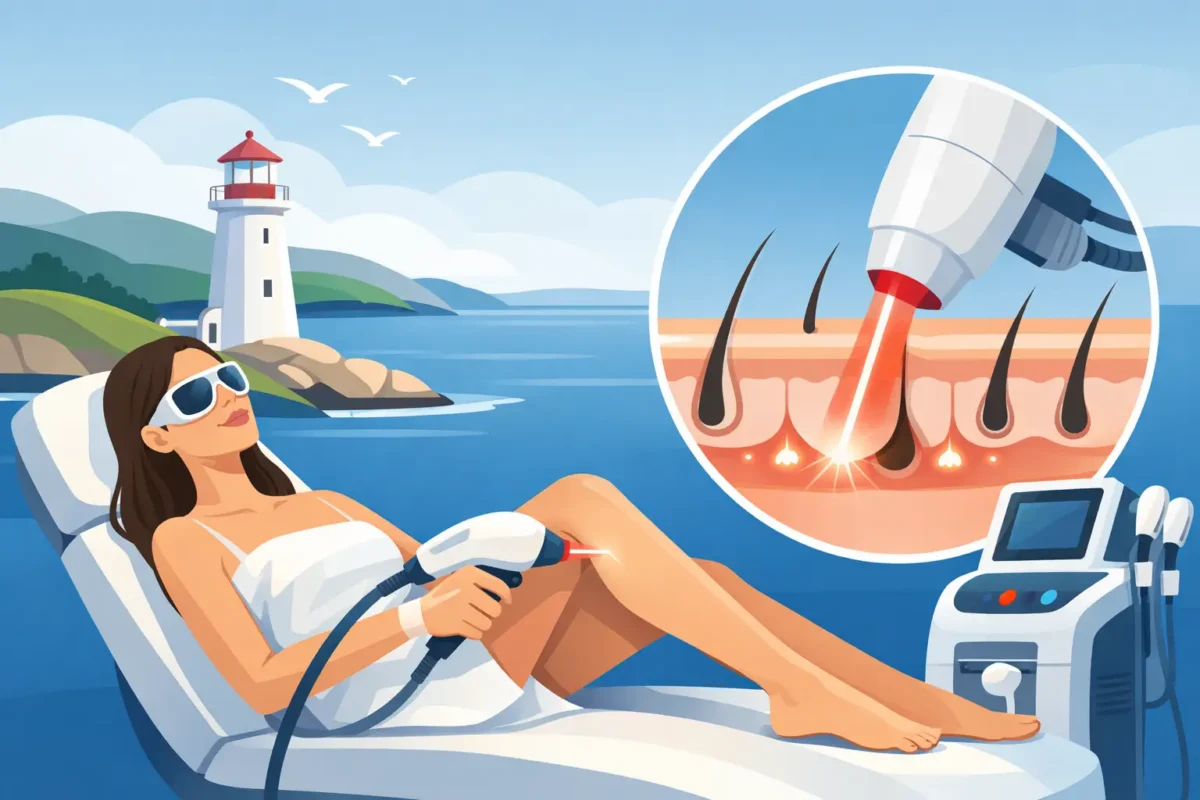
Laser hair removal uses focused light energy to target pigment in the hair. The energy converts to heat within the hair follicle, helping disrupt its ability to produce new hair. Because the laser is directed toward the follicle rather than the surrounding skin, treatment can be precise while covering larger areas more efficiently than tweezing or waxing.
Hair grows in cycles, and laser treatment works best when hairs are in the active growth phase. Not every follicle is in that phase at the same time, which is why one appointment is not enough for meaningful reduction. A series of treatments, spaced according to the area and your individual growth pattern, gives the laser the opportunity to treat more follicles as they become active.
This is also why realistic expectations matter. Laser hair removal is commonly described as long-term hair reduction, not a promise that every hair will disappear permanently. Many clients see substantially less hair, slower regrowth, and finer remaining hair after completing their recommended series. Occasional maintenance treatments may be helpful, especially when hormones or genetics influence hair growth.
Who Is a Good Candidate for Laser Hair Removal in Nova Scotia?
The best treatment plan begins with an in-person consultation. Your practitioner should consider your skin tone, hair color and thickness, treatment area, medical history, medications, recent sun exposure, and cosmetic goals before recommending a course of care.
Traditionally, laser treatments have been most straightforward for clients with dark, coarse hair because there is a strong contrast between the hair pigment and the skin. Modern laser platforms can broaden the range of people who may be treated safely and effectively, but results still depend on the specific combination of skin and hair characteristics. Very light blonde, gray, white, or red hair may not respond as well because there is less pigment for the laser to target.
A professional assessment is particularly valuable for clients with deeper skin tones. The right device settings and treatment approach are essential for protecting the skin while pursuing visible hair reduction. This is not a service to choose based on price alone. Clinical judgment, appropriate technology, and careful treatment protocols make a meaningful difference.
At Bloom Laser Clinic, the focus is on making advanced laser care approachable while maintaining the medical aesthetics standards clients expect. A personalized consultation helps determine whether laser hair removal is the right fit and which treatment schedule best supports your goals.
Areas Commonly Treated
Laser hair removal can be used on many areas where shaving, waxing, or plucking feels frustrating or time-consuming. Facial areas may include the upper lip, chin, cheeks, sideburns, or neck. On the body, popular areas include underarms, arms, bikini line, Brazilian area, legs, chest, back, abdomen, hands, and feet.
The right areas to treat depend on your comfort, lifestyle, and priorities. Some clients start with underarms or bikini treatments because the day-to-day convenience is immediate. Others choose legs or larger body areas to reduce the time and expense tied to regular shaving and waxing. A consultation is the right time to discuss individual areas, treatment packages, and what results are realistic for you.
What Treatment Feels Like
Most clients describe the sensation as a quick snap against the skin, often compared to the flick of a small elastic band. Sensitivity varies by body area, hair density, and personal pain tolerance. Areas with coarser hair or thinner skin may feel more noticeable, while larger areas can involve repeated quick pulses.
Treatment sessions are generally efficient. An upper lip may take only minutes, while legs, a back, or multiple areas will take longer. Your practitioner may use cooling methods to help improve comfort and protect the skin during treatment.
Afterward, mild redness or temporary warmth around the follicles is common. It often settles quickly, though each person responds differently. Hair may not vanish immediately after the session. Treated hairs typically shed over the following days or weeks, which is a normal part of the process.
Preparing for Your Appointment
Good preparation supports a safer, more effective treatment. Your clinic will provide specific instructions based on your skin and the area being treated, but a few guidelines are commonly recommended.
Avoid tanning and significant sun exposure before your appointment. Tanned or sunburned skin can increase sensitivity and may require your treatment to be postponed. Skip waxing, plucking, threading, or electrolysis in the weeks before treatment, since the laser needs the hair root present to target the follicle. Shaving is usually preferred shortly before your session because it removes surface hair while leaving the follicle intact.
Arrive with clean skin free from makeup, lotion, deodorant, self-tanner, or fragrance on the treatment area unless your practitioner tells you otherwise. Be open about medications, skin care products, and recent treatments. Certain prescriptions and active skin products can affect treatment timing, so clear communication is part of responsible care.
Aftercare That Protects Your Skin
Your skin needs a little extra attention after laser treatment. Use sunscreen consistently on exposed areas, avoid heat-heavy activities such as hot tubs and very hot showers for the period advised by your practitioner, and resist the urge to exfoliate or pick at the treated area. Gentle skin care and patience are usually the best approach.
If you notice unusual discomfort, prolonged irritation, blistering, or any response that concerns you, contact your treatment provider promptly. A reputable clinic will explain what is expected, what is not, and how to reach the team with questions after your appointment.
Why Professional Treatment Matters
At-home light-based devices may appeal because they promise convenience, but they are not equivalent to clinic-grade laser care. They generally use lower energy levels and require consistent, ongoing use. They may be an option for some people, but they can be slower and less predictable, particularly for larger areas or dense hair.
Professional laser hair removal offers a different level of customization. A trained practitioner can assess skin response, adjust settings as appropriate, monitor progress, and create a schedule around the body area being treated. This matters for comfort, safety, and the quality of your results.
Questions Worth Asking Before You Book
Before selecting a clinic for laser hair removal in Nova Scotia, ask which technology will be used for your skin and hair type, who will perform the treatment, and how many sessions are likely to be recommended. Ask about pre-treatment restrictions, aftercare, potential side effects, and whether a patch test is appropriate for you.
You should also be wary of guarantees that sound too absolute. Honest treatment planning recognizes that hair growth is influenced by biology. Hormonal changes, conditions such as PCOS, and some medications can affect the pace and pattern of regrowth. A skilled provider will talk about those variables rather than making promises that ignore them.
Smoother skin should feel like a benefit, not another demanding task on your calendar. Start with a thoughtful consultation, choose experienced care, and give your treatment plan time to work. The result can be a more comfortable routine and a renewed sense of confidence in the skin you are in.