


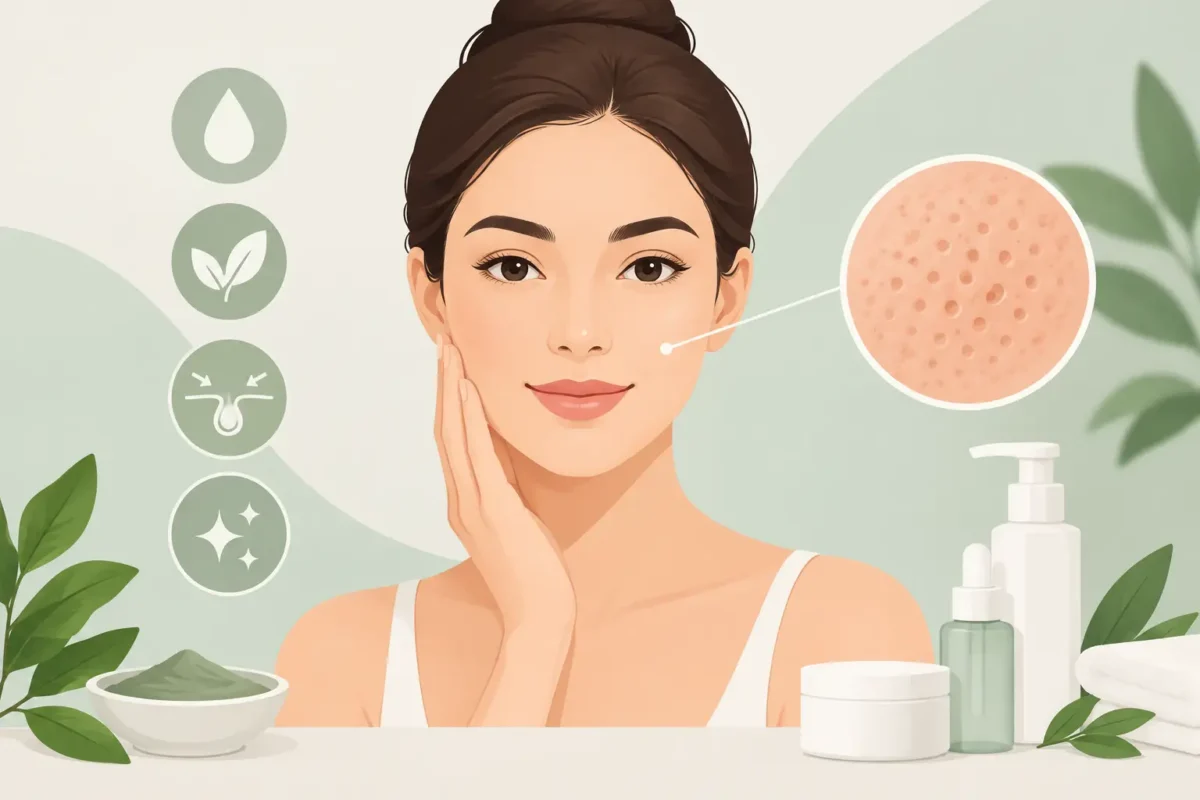
Pores rarely become the concern overnight. They often start looking more visible across the nose, cheeks, forehead, or chin when oil, dead skin cells, sun exposure, and changes in skin firmness begin to add up. If you are researching how to minimize enlarged pores, the first thing to know is reassuring: you cannot erase pores, but you can make them appear significantly smaller, cleaner, and more refined with the right approach.
The best plan depends on why your pores look enlarged in the first place. For some people, the issue is congestion and excess oil. For others, it is acne scarring, sun damage, or a gradual loss of collagen that makes pores look stretched. Smart skin care and professionally selected treatments can address these underlying factors rather than simply masking the surface.
Why pores can look larger
Every pore is an opening in the skin that releases oil and, in some cases, supports a hair follicle. Their baseline size is largely genetic, which is why some people naturally notice pores more than others. However, several factors can make them more visible over time.
Oil and debris can collect within a pore, causing it to expand and cast a small shadow. This is common in the T-zone and in skin prone to blackheads or breakouts. Heavy products, inconsistent cleansing, and sweating without cleansing afterward can all contribute.
Collagen is another major part of the picture. As collagen and elastin decline with age and repeated sun exposure, the skin around each pore has less support. The pore can then appear wider or more oval, particularly on the cheeks. Previous inflammatory acne may also leave uneven texture that makes pores look more pronounced.
This is why a pore-minimizing routine should not be built around harsh scrubs alone. Over-scrubbing can irritate the skin barrier, trigger more oil production in some skin types, and leave texture looking worse.
How to minimize enlarged pores at home
Consistency matters more than a cabinet full of products. A thoughtful routine can reduce congestion, support smoother texture, and help professional results last longer.
Cleanse without stripping your skin
Cleanse morning and night with a gentle formula suited to your skin type. If you wear makeup, sunscreen, or live an active lifestyle, take time to remove buildup thoroughly at the end of the day. Skin that feels tight, squeaky, or irritated after cleansing is often being over-cleansed.
For oily or acne-prone skin, a cleanser containing salicylic acid can help keep oil and dead skin cells from collecting inside pores. Salicylic acid is oil-soluble, so it can work within the pore lining. Start slowly, especially if your skin is sensitive, dry, or already using prescription acne care.
Use exfoliation strategically
Chemical exfoliants can be helpful for visible pores because they lift away dull surface cells more evenly than abrasive physical scrubs. Salicylic acid is often useful for congestion, while gentle alpha hydroxy acids may improve surface texture and brightness.
More is not better. Begin once or twice weekly, then adjust based on how your skin responds. Redness, stinging, peeling, or persistent tightness are signs to scale back. Avoid layering several exfoliating products in the same routine unless a qualified provider has advised you to do so.
Add a retinoid if it is right for you
Retinoids encourage cell turnover and can support collagen production over time, making them a valuable option for uneven texture, acne, and pores that appear enlarged with age. Results are gradual, often taking several weeks to become noticeable.
A low-strength over-the-counter retinol may be appropriate for some people, while others may benefit from prescription guidance. Introduce it on alternate nights and use a nourishing moisturizer to reduce dryness. Retinoids are not suitable during pregnancy, and sensitive skin may need a gentler plan.
Make sunscreen non-negotiable
Daily broad-spectrum SPF 30 or higher is one of the most effective long-term steps for preserving collagen and preventing the sun damage that can make pores look more visible. Apply it every morning, including on overcast days, and reapply when spending extended time outside.
Choose a lightweight, non-comedogenic sunscreen if you are prone to clogged pores. Consistent sun protection also helps prevent dark marks left after blemishes, which can draw attention to texture.
Choose makeup and moisturizer carefully
Skipping moisturizer is not the answer for oily skin. When skin is dehydrated or irritated, it can produce more oil and look less even. Look for a light, non-comedogenic moisturizer that supports the skin barrier without feeling heavy.
Makeup can soften the appearance of pores for an event or a busy day, but it should not be your only strategy. A silicone-based blurring primer may create a smooth finish, while gentle removal at night helps prevent product buildup.
When professional pore treatments make sense
At-home care is a strong foundation, but it cannot fully correct deeper textural concerns, acne scarring, or laxity around pores. Professional treatments are especially worth considering if you have been consistent with skin care for several months but still see pronounced pores or uneven skin texture.
Laser peel treatments for clearer texture
Laser-based treatments can refresh the skin by targeting buildup, excess oil, pigmentation, and uneven tone. Depending on the technology and your skin goals, a laser peel may help refine the look of pores while creating a brighter, cleaner-looking complexion.
For example, treatments such as a carbon laser peel, often called a Hollywood Peel, may be selected for clients who want help with oiliness, congestion, dullness, and visibly enlarged pores. The carbon lotion absorbs oil and surface debris, while the laser treatment helps exfoliate and refresh the skin. A series may be recommended when texture and oil control are ongoing concerns.
Collagen-focused rejuvenation
When pores look larger because the surrounding skin has lost firmness, collagen stimulation becomes more relevant than exfoliation alone. Certain laser treatments and other non-surgical skin-tightening technologies can support firmer, smoother-looking skin over time.
The trade-off is patience. Collagen remodeling is a gradual biological process, not an overnight change. A qualified practitioner should assess your skin, discuss realistic outcomes, and recommend a treatment schedule based on your skin type, sun exposure, and history of acne or pigmentation.
Acne and scar treatment planning
Active acne and acne scars require a more individualized approach. Treating scars while breakouts are still frequent may not deliver the result you want, so it is often wise to stabilize acne first. A treatment plan may combine home care, professional exfoliation or laser treatments, and clinical guidance tailored to inflammation, scars, and discoloration.
People with deeper skin tones, melasma, rosacea, or a history of post-inflammatory hyperpigmentation should be particularly careful with aggressive treatments. The right technology, settings, preparation, and aftercare matter. A consultation is not a formality – it is how treatment can be selected safely and thoughtfully for your skin.
Habits that can make pores look worse
A few common habits can undermine an otherwise good routine. Picking at blackheads or squeezing pores can cause inflammation, broken capillaries, and scarring. Sleeping in makeup leaves oil and residue on the skin for hours. Frequent tanning or unprotected sun exposure accelerates collagen loss.
It is also easy to be influenced by dramatic before-and-after filters or pore-strip marketing. Pore strips can temporarily remove the visible top of a blackhead, but they do not change pore structure or control oil production long term. Gentle, consistent care will usually outperform quick fixes.
What results should you expect?
The goal is not poreless skin. Real skin has texture, and pores are a normal, healthy part of it. The goal is skin that looks clearer, smoother, and more balanced in everyday light and without relying on heavy makeup.
Congestion-related improvements may appear within a few weeks of a consistent routine. Changes related to collagen, acne scars, or sun damage often take longer and may require a series of professional treatments. Progress photos taken in the same lighting can be more useful than checking your skin too closely every morning.
If visible pores are affecting your confidence, a personalized skin consultation can replace guesswork with a focused plan. At Bloom Laser Clinic, treatment recommendations are designed around your skin concerns, goals, and comfort level, so you can move toward refined texture with science-backed, non-surgical care. Beautiful skin does not need to be perfect – it needs the support to look healthy, renewed, and confidently yours.