


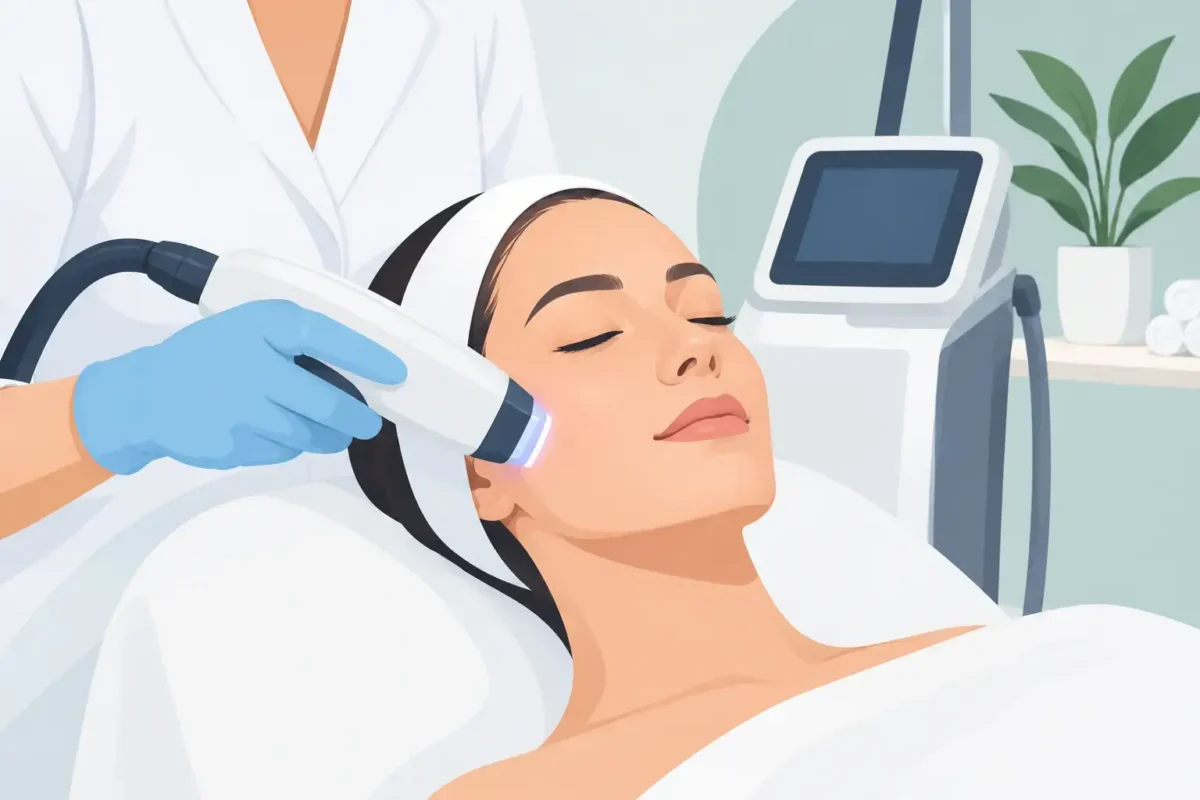
A dull, congested complexion can make even a consistent skincare routine feel as though it has stalled. A Spectra Peel offers a targeted way to refresh the skin’s surface while supporting a clearer-looking, more even complexion, without the extended downtime associated with more aggressive resurfacing. This Spectra Peel guide explains what the treatment is designed to do, how it feels, and how to decide whether it fits your skin goals.
What Is a Spectra Peel?
A Spectra Peel is a laser-based skin rejuvenation treatment performed with advanced Q-switched laser technology. Depending on your concerns and your provider’s protocol, it may involve gentle laser passes directly over the skin or include a specialized carbon lotion. The carbon-assisted version is often called a Hollywood Peel or carbon peel, although the best approach depends on what your skin needs.
The treatment is designed to address concerns at and just below the skin’s surface. The laser energy can help lift away oil, debris, and superficial dead skin cells while stimulating the skin’s natural renewal response. The result is often skin that looks fresher, smoother, and more refined, particularly when enlarged pores, excess oil, mild breakouts, uneven tone, or a lack of radiance are part of the picture.
This is not a one-size-fits-all facial. A skilled practitioner can adjust the treatment plan based on skin tone, sensitivity, active acne, pigmentation concerns, and the amount of downtime you can accommodate.
Who Can Benefit From a Spectra Peel?
Spectra treatments are popular with clients who want visible skin improvement without needles, surgery, or a prolonged recovery period. They can be a strong option for oily or combination skin, congested pores, blackheads, mild acne, rough texture, and sun-related dullness. Many clients also choose a peel before an event because the recovery is usually minimal and makeup can often be resumed quickly when the skin is calm.
For discoloration, the answer is more nuanced. Laser care can be helpful for certain types of pigmentation, but melasma and post-inflammatory hyperpigmentation need an individualized approach. These concerns can be influenced by heat, hormones, sun exposure, and inflammation. A thoughtful provider will assess your skin history and may recommend a series of carefully spaced treatments, home care, and strict sun protection rather than promising that one peel will erase discoloration.
Those with rosacea, active inflammatory acne, eczema, a current cold sore outbreak, or compromised skin barriers should discuss this carefully during a consultation. Treatment may need to be modified, postponed, or replaced with a more appropriate option. If you are pregnant, breastfeeding, taking photosensitizing medications, or have recently used certain prescription acne medications, disclose that information before booking.
Your Spectra Peel Guide to the Appointment
A good outcome starts before the laser is switched on. Your appointment should begin with a review of your goals, skin concerns, current products, medications, history of pigmentation, and recent sun exposure. Be candid about chemical peels, waxing, injectables, retinoids, and other cosmetic treatments you have had recently. Timing matters when treatments are layered too closely together.
Your skin will be cleansed and protected with appropriate eye shields. If your plan includes a carbon lotion, it is applied in a thin, even layer and allowed to settle. During the laser portion, most people describe quick pulses of warmth and a light snapping sensation. The feeling is typically very manageable, and treatment often takes around 20 to 30 minutes, though appointment length varies by the areas being treated and the selected protocol.
The first laser pass may focus on preparing the skin and targeting superficial congestion. With a carbon peel, a later pass breaks apart the carbon particles, helping remove the lotion along with surface oil and debris. This is the part many clients associate with the distinctive popping sound of the treatment. Your practitioner may make additional passes based on your skin’s response and treatment objectives.
A professional Spectra Peel should never feel like something to endure for the sake of beauty. Tell your provider if heat or discomfort becomes too intense. Settings can be adjusted, and your comfort and skin safety should guide every step.
What Results Look Like and When to Expect Them
Many people notice an immediate clean, polished glow after a Spectra Peel. Skin may feel softer and appear less oily, while makeup can sit more smoothly once the skin is ready for it. These early changes are often related to exfoliation and surface refinement.
For texture, pores, acne-prone skin, and uneven-looking tone, results tend to build with a treatment series. The right number of sessions varies. Someone booking a single treatment before a special occasion has a different goal than someone working through persistent breakouts or long-standing congestion. Your provider may recommend treatments spaced a few weeks apart, then maintenance visits based on your skin’s behavior and your desired level of correction.
It is also worth setting realistic expectations around pores. A peel cannot permanently close pores, because pore size is partly genetic. It can, however, help keep them clearer and make their appearance look more refined. Similarly, a Spectra Peel can support acne management, but it is not a substitute for a complete plan when acne is hormonal, cystic, or leaving scars.
Downtime and Aftercare That Protects Your Results
One reason clients choose this treatment is its low-downtime profile. Mild warmth, pinkness, tightness, or temporary sensitivity can occur, especially with more active treatment settings. These effects commonly settle within hours, although individual recovery varies. More reactive skin may need a little longer before it feels entirely back to normal.
For the next few days, treat your skin gently. Use a mild cleanser, a simple hydrating moisturizer, and broad-spectrum sunscreen every morning. Avoid scrubs, exfoliating acids, retinoids, benzoyl peroxide, and picking at any dry areas until your practitioner confirms it is appropriate to restart them. Skip hot yoga, saunas, steam rooms, and intense exercise for the first day if your skin feels warm or flushed.
Sun protection deserves special attention. Freshly treated skin is more vulnerable to irritation and discoloration from UV exposure. If you are treating pigmentation or melasma, daily sunscreen and sun-smart habits are not optional extras. They are part of maintaining your results.
If you experience prolonged redness, swelling, blistering, or unexpected discomfort, contact your treatment provider promptly. A reputable clinic will give you clear post-treatment instructions and be available to answer questions about your recovery.
Spectra Peel vs. More Aggressive Resurfacing
A Spectra Peel is well suited to clients seeking gradual refinement with little interruption to their schedule. It generally does not create the visible peeling or extended recovery associated with deeper chemical peels or ablative laser resurfacing. That makes it an appealing choice for regular maintenance, oil control, and a healthy-looking glow.
The trade-off is that gentler treatment produces subtler change per session. Deep acne scarring, pronounced wrinkles, laxity, and severe pigment concerns may require other technologies or a combined treatment plan. For example, scar-focused laser care, microneedling, injectable treatments, or skin tightening may be better matched to specific goals. The best plan is not necessarily the most intense one. It is the one that respects your skin, timeline, and desired outcome.
Choosing Professional Spectra Peel Care
Laser treatment is highly dependent on the person operating the device, not simply the device itself. Look for a clinic that evaluates your skin rather than selling the same peel to every client, uses medically informed protocols, and explains both the benefits and the limitations before treatment begins. At Bloom Laser Clinic, the focus is on making advanced skin science approachable while building a plan around visible, natural-looking improvement.
Your skin does not need to look dramatically different overnight to look healthier, brighter, and more confident. A well-planned Spectra Peel can be a smart next step when you want polished skin that still looks unmistakably like you.