


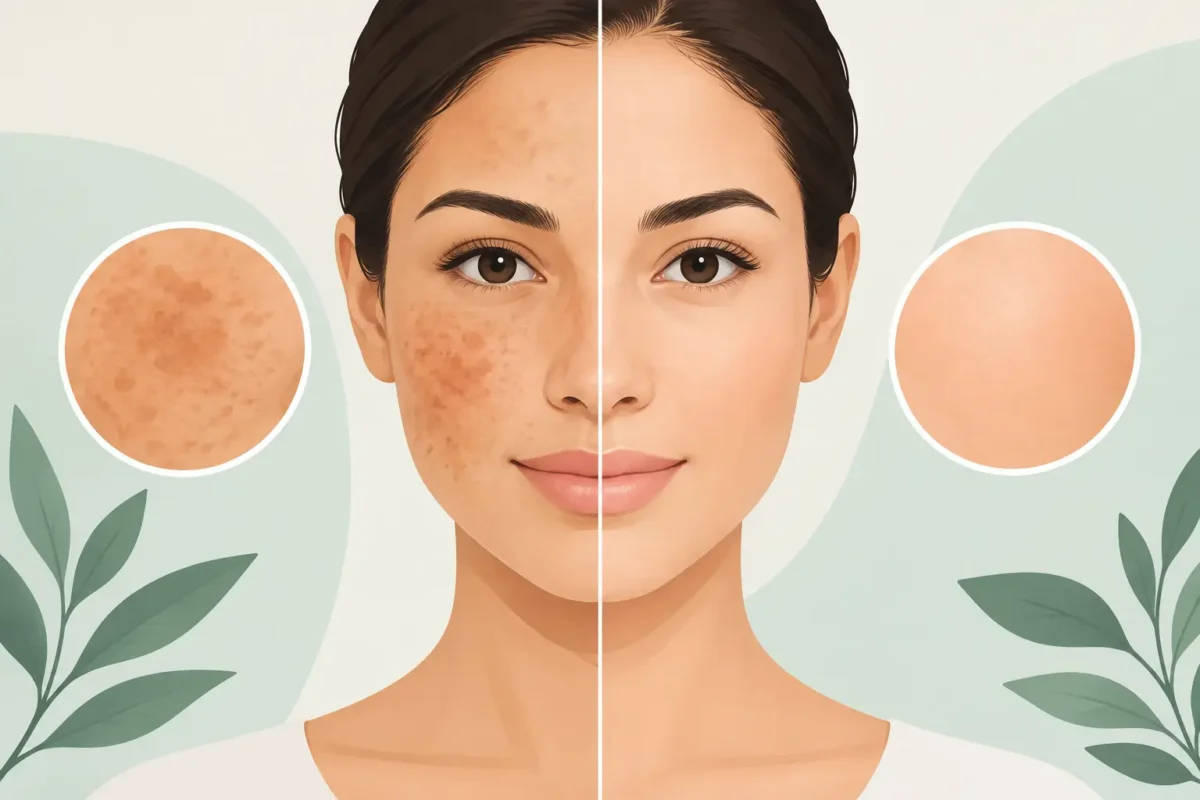
A successful melasma result rarely looks like a dramatic overnight filter. It looks like skin that appears more even, calmer, and less defined by brown or gray-brown patches. When reviewing melasma correction before after examples, the most meaningful change is often a gradual softening of contrast: less visible pigment across the cheeks, forehead, upper lip, or jawline, with the skin’s natural tone still looking like you.
Melasma can be persistent because it is not simply a surface-level dark spot. Sun exposure, heat, hormones, genetics, inflammation, and even irritation from the wrong skincare routine can all influence it. That is why the best before-and-after results are built on a personalized plan, careful treatment settings, and consistent maintenance rather than a one-size-fits-all approach.
What Melasma Before-and-After Photos Can Really Show
Before-and-after images can be encouraging, especially when you are frustrated by makeup that no longer fully covers patchy pigment. They can show the potential for a clearer-looking complexion and more balanced color. They should also set realistic expectations.
In a credible example, the “before” image may show diffuse discoloration rather than a few isolated spots. The “after” image may reveal a reduction in the depth and spread of pigment, but not necessarily complete removal. Fine details matter: Is the lighting similar? Is the client’s face in the same position? Is the improvement visible without heavy editing? Consistent photography gives a far more honest view of progress.
Melasma may look different from one person to the next. For some, it appears as a symmetrical mask across both cheeks. For others, the forehead or upper lip is the main concern. Skin tone also affects how pigment presents and which treatment approach is appropriate. A clinical assessment is the right place to determine whether discoloration is melasma, sun damage, post-acne pigmentation, or a combination of concerns.
Melasma Correction Before After Examples by Treatment Stage
Results often become more noticeable in stages. Understanding that timeline can make the process feel less mysterious and help you judge progress more fairly.
Early changes: a brighter, more even appearance
After the first treatment or two, some clients notice that their skin looks fresher and more luminous. Dark patches may not be gone, but their edges can begin to look less sharp. This early improvement can be subtle, especially in photos, yet it often signals that the treatment plan is moving in the right direction.
At this stage, diligent sun protection is essential. A few unprotected hours outdoors, a sunny drive, or regular heat exposure can stimulate pigment again. Treatment works best when it is paired with habits that protect the skin every day.
Mid-plan changes: reduced contrast in darker patches
As treatments continue, before-and-after examples may show a more visible reduction in contrast between affected areas and surrounding skin. Cheek patches can look lighter, the upper lip can appear less shadowed, and the forehead may look more uniform.
This is also the point where a provider may adjust the plan. Melasma does not always respond at the same pace across the entire face. A practitioner may recommend a combination of gentle laser-based care, targeted skin treatments, and at-home skincare chosen for your skin’s needs. The goal is correction without unnecessary irritation, because inflammation can make melasma more active.
Longer-term changes: clearer-looking skin with maintenance
The most satisfying after photos often come after a thoughtful series of treatments and a period of maintenance. The client’s complexion may look smoother and more consistent, while the original pigment appears less dominant. That does not mean melasma has been permanently erased.
Melasma is generally considered a chronic pigment condition. It can recur with hormonal shifts, seasonal sun exposure, heat, and changes in skincare. Maintenance is not a failure of treatment. It is a practical way to preserve progress and keep the complexion looking more balanced over time.
Why One Person’s Results May Differ From Another’s
It is tempting to find a before-and-after image that resembles your skin and expect the same outcome. In reality, results depend on several factors: the depth of the pigment, your natural skin tone, how long melasma has been present, hormonal influences, previous treatments, and daily exposure to UV light and heat.
Treatment history matters, too. Over-exfoliation, aggressive peels, or procedures that create excess irritation can worsen pigmentation in some people. For this reason, more aggressive is not always better. The right treatment is one that respects the skin barrier while addressing visible discoloration with clinically informed care.
Pregnancy, birth control, hormone therapy, and some medications can also influence melasma. A qualified provider should ask about these factors before recommending a course of treatment. If you are pregnant or breastfeeding, discuss the safest timing and options for your situation with your healthcare provider and aesthetics professional.
The Role of Laser Treatment in Melasma Correction
Laser technology can be a valuable part of a melasma plan when selected and performed carefully. Treatments such as a gentle laser peel may help improve the appearance of uneven pigment, dullness, and texture while supporting a brighter overall look. The exact technology, settings, and treatment frequency should be tailored to your complexion and pigment pattern.
For melasma, the objective is not to aggressively chase every trace of pigment in one session. A measured approach helps reduce the risk of triggering inflammation and rebound discoloration. Your provider may recommend a series, then evaluate how your skin responds before deciding whether to continue, adjust, or move into maintenance.
At Bloom Laser Clinic, treatment planning begins with the concern in front of you, not a generic protocol. An experienced consultation can identify whether laser-based care is appropriate, what outcomes are realistic, and how to support your skin between appointments.
How to Read Before-and-After Results With Confidence
When you view melasma images, look beyond the headline result. Ask whether the client appears to have a similar skin tone and type of pigmentation. Notice whether the photos were taken in comparable lighting and whether the texture and natural features of the skin remain visible. Authentic results should look believable, not airbrushed.
It is also helpful to ask about the treatment timeline. A photo taken after a complete series tells a different story than one taken after a single appointment. Find out whether the client used prescribed or recommended skincare, followed sun-protection guidance, or received combination treatments. This context makes the image more useful than a promise of instant correction.
A consultation gives you the chance to discuss the kind of improvement that would feel meaningful to you. For one person, that may be feeling confident with lighter makeup. For another, it may mean reducing a stubborn upper-lip shadow or being comfortable in natural daylight photos. Clear goals help create a plan that is both realistic and personal.
Protecting Your Results Between Appointments
Your at-home routine has a direct impact on how long improvement lasts. Daily broad-spectrum sunscreen is foundational, even on cloudy days and during winter. Reapplication matters when you are outdoors, near windows for extended periods, or sweating. A hat and shade add another useful layer of protection.
Keep skincare gentle and consistent. Avoid introducing multiple strong active ingredients at once, especially while receiving professional treatments. If your skin becomes red, dry, burning, or irritated, speak with your provider before continuing products that may be disrupting your barrier.
Melasma correction is not about chasing flawless, poreless skin. It is about applying the science of smart skin to reduce visible discoloration safely and help you feel more comfortable in your complexion. The right before-and-after example should leave you with a realistic sense of possibility – and the confidence to begin with a plan designed for your skin.