


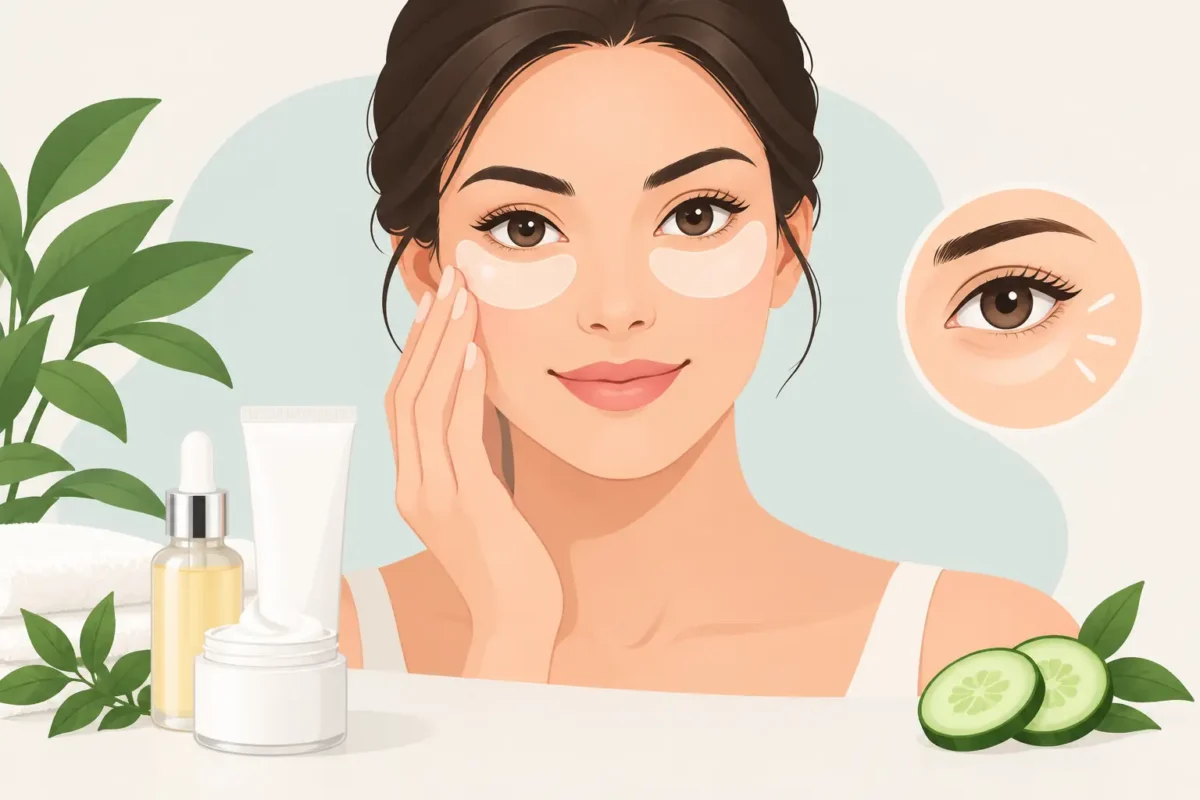
The best under eye treatments are not necessarily the most expensive or the most talked about. They are the options that match what is actually causing your concern, whether that is morning puffiness, brown pigment, bluish shadows, fine lines, or hollowness beneath the eyes. The under-eye area is thin, expressive, and highly individual, so a treatment that brightens one person may do very little for another.
A thoughtful consultation is where visible improvement begins. Rather than trying every eye cream or chasing a single trend, identify the concern first, then choose a plan that supports refreshed, natural-looking results.
Why Under-Eye Concerns Can Look So Different
Dark circles are often grouped into one category, but several factors can create a tired appearance. Brown-toned circles may be related to excess pigmentation, sun exposure, or irritation. Blue, purple, or red tones can reflect visible blood vessels through thin skin. For some people, the issue is structural: a hollow tear trough creates a shadow that looks like a dark circle, even when skin tone is even.
Puffiness has its own causes. Fluid retention, allergies, sleep habits, genetics, and natural changes in the fat pads around the eyes can all play a role. Fine lines may be driven by sun exposure, dehydration, repetitive facial movement, and a gradual loss of collagen and elasticity.
This is why realistic treatment planning matters. Topical products can improve hydration and the appearance of mild lines, but they cannot replace lost volume. Similarly, a volume-focused treatment may soften a hollow but will not erase brown pigmentation. The right choice depends on the skin, the anatomy, and the result you want to see in the mirror.
Best Under Eye Treatments by Concern
For dehydration and fine lines: targeted skincare
A good at-home routine is often the foundation of under-eye care. Look for a gentle eye product with humectants such as hyaluronic acid to support hydration, along with peptides or antioxidants that complement a skin-strengthening routine. Retinoids can help improve the look of fine lines over time, but the eye area can be sensitive. Use only products formulated or approved for this area, start gradually, and stop if you experience persistent irritation.
Daily broad-spectrum sunscreen is equally valuable. UV exposure contributes to pigment changes and collagen loss, including around the eyes. Sunglasses add practical protection while helping reduce squinting, which can make expression lines more noticeable over time.
Skincare works best when expectations are measured. It can make the under-eye area look smoother, more hydrated, and more rested, but it is a gradual strategy. Consistency matters more than constantly switching products.
For temporary puffiness: cooling and lifestyle adjustments
If puffiness is most obvious first thing in the morning and improves as the day goes on, fluid retention may be contributing. A cool compress, chilled gel mask, or gentle cooling eye tool can temporarily reduce the appearance of swelling. Keep pressure light. The goal is to soothe the area, not tug delicate skin.
Sleeping with the head slightly elevated, managing seasonal allergies with advice from a qualified health professional, staying hydrated, and limiting high-sodium foods when they trigger swelling may also help. These changes will not correct inherited under-eye bags or fat-pad changes, but they can make a meaningful difference for intermittent puffiness.
Sudden swelling, swelling on one side, pain, redness, or changes in vision should be evaluated medically rather than treated as a cosmetic concern.
For dark circles caused by pigmentation: professional pigment care
When dark circles are primarily brown, pigment-focused care may be appropriate. A clinical provider can assess whether the discoloration is related to sun exposure, post-inflammatory pigmentation, melasma, or another skin concern. This distinction is especially important because overly aggressive treatment can irritate the skin and potentially worsen pigmentation.
Professional skin rejuvenation options may be considered for suitable candidates, alongside a home routine built around sun protection and gentle pigment-supporting skincare. Treatment near the eyes requires careful technique, conservative settings, and proper eye protection. Not every laser or peel is appropriate for every skin tone or for the immediate under-eye area.
Improvement is often a series of small changes rather than an overnight transformation. A customized plan can help create a brighter, more even appearance while respecting the sensitivity of the skin.
For hollowing and shadows: injectable consultation
If a dark under-eye appearance is created by a tear-trough hollow, topical skincare alone will have limited impact. In carefully selected cases, injectable treatments may help restore a smoother transition between the lower eyelid and cheek, reducing the shadow that makes the area appear tired.
This is a highly technical area of the face. It is not suitable for everyone, particularly people with significant puffiness, fluid retention, or certain anatomical concerns. The treatment should be performed only after a thorough assessment by a properly qualified, experienced medical injector. Sometimes treating the cheeks for support, rather than placing product directly beneath the eyes, is the more balanced option.
The trade-off is that injectable treatments can offer noticeable structural improvement, but they carry more risk and require a higher level of expertise than a topical routine. Natural results come from restraint, thoughtful placement, and a plan designed for your facial proportions.
For expression lines: wrinkle-relaxing treatments
Fine lines at the outer corners of the eyes are often connected to repeated muscle movement from smiling and squinting. Neuromodulator treatments can soften the appearance of these dynamic lines when administered by a qualified medical professional. Results are temporary, and the goal should be a rested look that still allows your expressions to feel like your own.
These treatments are typically better suited to crow’s feet than to crepey skin directly under the lower eyelid. For that reason, a provider may recommend pairing a conservative wrinkle-relaxing approach with skincare or other rejuvenation options for a more complete result.
For texture and early laxity: collagen-focused rejuvenation
As collagen changes with age, the under-eye and upper-cheek area can begin to look thinner, less smooth, or less supported. Non-surgical collagen-stimulating treatments may be considered depending on the location of concern, skin condition, and treatment goals. These approaches are generally designed to work gradually, with results developing over time as the skin responds.
The eye area deserves a cautious approach. A device or treatment that is excellent for the cheeks, jawline, or forehead may not be right close to the eye. Your practitioner should explain which areas can be treated, how the treatment is being adapted for your skin, and what degree of improvement is realistic.
How to Choose an Under-Eye Treatment Safely
The most useful question is not, “What is the strongest treatment?” It is, “What is causing my under-eye concern?” A skilled consultation should examine skin color, texture, puffiness, volume, facial symmetry, and your medical history. It should also include an honest conversation about downtime, cost, maintenance, and whether the result you want is achievable without surgery.
Be cautious with treatments advertised as one-size-fits-all. The under-eye area is not a place for aggressive DIY acids, unapproved devices, or treatments performed without appropriate eye protection. If you have eczema, chronic dry eye, active irritation, a history of pigment changes, or prior injectable treatment, share that information before proceeding.
At Bloom Laser Clinic, an individualized assessment helps clients move beyond guesswork and toward treatment options that fit their skin and goals. The aim is not to change your face. It is to help you look more rested, refreshed, and confident.
A Better Way to Think About Results
Under-eye improvement is often most convincing when it is subtle. You may notice that concealer sits more smoothly, your eyes look less shadowed in photographs, or people tell you that you seem well-rested without knowing why. Those are meaningful results.
Start with a professional assessment, protect the area from sun exposure, and give gradual treatments enough time to work. When your treatment plan is built around the real cause of the concern, a brighter-looking eye area can feel less like a quick fix and more like a natural part of feeling beautiful.