


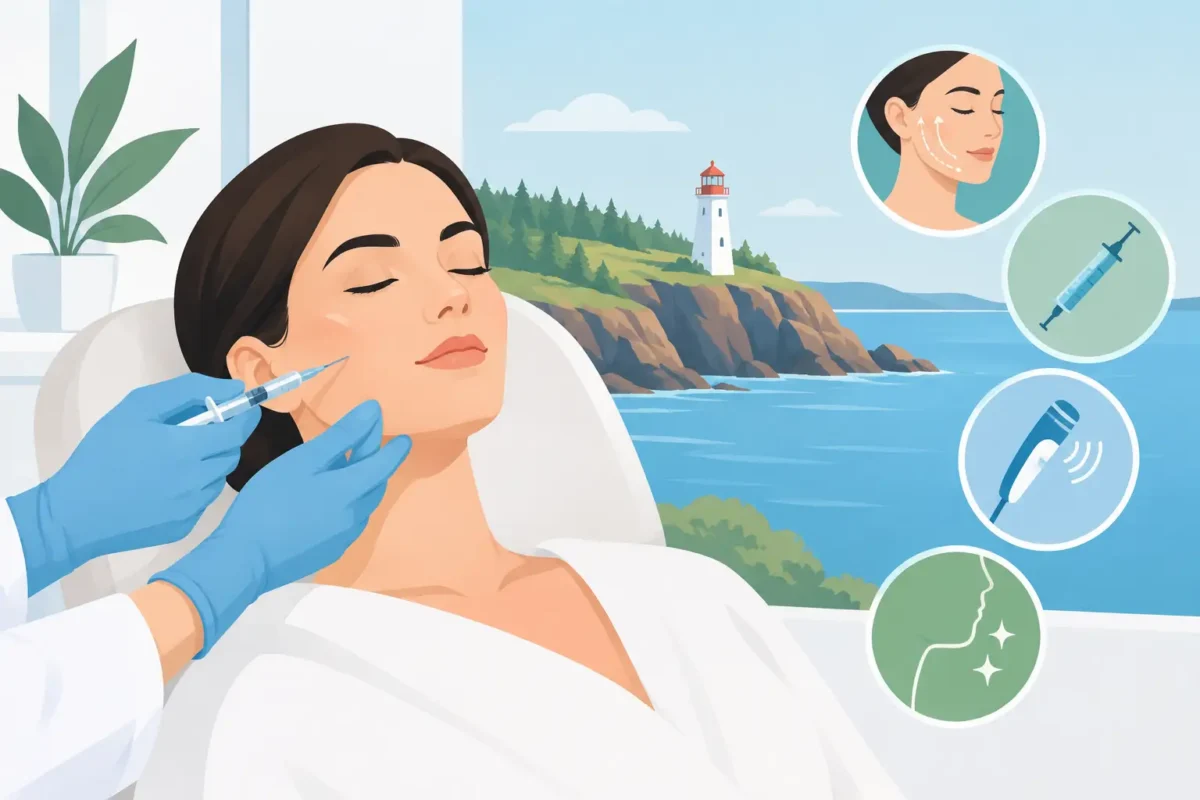
A fresher-looking complexion, less time spent shaving, softer acne scars, or relief from stubborn muscle pain should not have to mean surgery or a long recovery. For people considering non surgical treatments New Brunswick, the real question is not simply what is available. It is which treatment best matches your concern, skin type, schedule, and goal.
The best non-invasive plan is rarely about changing your appearance overnight. It is about using clinically informed technology and experienced care to create visible, natural-looking improvement over time. A thoughtful consultation helps separate treatments that sound appealing from treatments that are genuinely right for you.
What Non-Surgical Treatment Can Do
Non-surgical aesthetic and wellness treatments use laser energy, ultrasound, injectable products, or other advanced technologies to address specific concerns without incisions or general anesthesia. Depending on the service, there may be little to no downtime, although redness, temporary swelling, tenderness, or peeling can be part of a normal recovery.
These treatments can improve the appearance of unwanted hair, sun damage, uneven pigmentation, enlarged pores, fine lines, acne, acne scars, facial veins, rosacea, tattoos, and lax-looking skin. Some body-focused services can also support smoother-looking skin or help manage pain and mobility concerns.
Results vary because skin biology varies. A person with deep acne scarring needs a different approach than someone dealing with surface discoloration. Similarly, a treatment that works beautifully for early skin laxity may not replace the results of surgery for significant loose skin. Honest expectations are part of smart skin care.
Non Surgical Treatments in New Brunswick: Common Options
Laser treatments for clearer, more even skin
Laser technology can target pigment, redness, texture, acne activity, and visible signs of sun exposure with impressive precision. The right wavelength and treatment settings matter, especially for deeper skin tones or skin that is prone to post-inflammatory pigmentation.
Laser peels, including carbon-based Hollywood Peel-style treatments, are often chosen for a brighter, smoother appearance with minimal interruption to daily life. They can be a good fit before an event when scheduled with enough time for your skin to settle. Other laser protocols may focus more directly on melasma, brown spots, facial veins, rosacea, or acne-related concerns.
Melasma deserves special care. It can be influenced by hormones, heat, sun exposure, and irritation, which means aggressive treatment is not always better treatment. A personalized plan may combine conservative laser sessions with sunscreen guidance and skin-calming home care to reduce the chance of a flare.
Laser hair removal for long-term reduction
Laser hair removal is one of the most practical non-surgical services for people tired of shaving, waxing, ingrown hairs, or razor irritation. The laser targets pigment in the hair follicle during its active growth phase. Because hairs cycle at different times, a series of appointments is needed for meaningful reduction.
It is not a one-session solution, and maintenance may be useful over time. Hair color, density, hormone changes, and the area being treated all affect the outcome. Still, for appropriate candidates, it can significantly reduce the daily effort of hair removal and leave skin feeling smoother.
Avoid plucking or waxing before laser sessions because the follicle needs to be present for the laser to target it. Sun exposure and certain medications may also affect when treatment can be safely performed, so your practitioner should review your health history and current skin condition first.
Skin tightening with HIFU
High-intensity focused ultrasound, often called HIFU, delivers focused energy below the surface of the skin to encourage collagen remodeling. It is commonly considered for early signs of laxity around the jawline, cheeks, brow area, neck, or body.
HIFU is appealing because it does not require an incision, but it is not a facelift. The improvement tends to develop gradually as collagen response builds, often over several weeks to months. It can be an excellent option for someone who wants a firmer, more refined look without surgical downtime, particularly when skin laxity is mild to moderate.
The trade-off is patience. If your goal is an immediate dramatic lift, surgery may be the more appropriate conversation. If you value subtle, progressive improvement, HIFU may fit well into a long-term aesthetic plan.
Injectables for expression lines and volume changes
Neuromodulator treatments, commonly known by brand names such as Botox, can soften the appearance of dynamic lines caused by repeated facial movement. Think forehead lines, frown lines, and crow’s feet. Dermal fillers, including Juvederm-style products, can restore or refine volume in areas such as the cheeks, lips, jawline, or folds around the mouth.
These are non-surgical, but they are still medical aesthetic procedures. Technique, facial anatomy, product selection, and conservative dosing matter. The goal should be a refreshed appearance that still looks like you, not an overfilled or frozen result.
Injectables may be right for concerns that come from muscle movement or volume loss, while laser and ultrasound treatments may be better for pigment, texture, or skin laxity. Many clients benefit from a combination approach planned in the right sequence.
Scar, acne, and texture-focused care
Active acne and acne scars are related but distinct concerns. Active breakouts may need treatments that calm inflammation, reduce oil congestion, and support clearer skin. Indented scars, discoloration, and uneven texture may need laser-based resurfacing or a series of targeted treatments designed around scar type and skin sensitivity.
There is no universal “acne scar treatment.” Ice-pick, rolling, and boxcar scars respond differently, and skin can become irritated if treatments are spaced too closely. A clinical assessment should account for active breakouts, skincare products, prior treatments, and how your skin has healed in the past.
Body and wellness treatments
Non-surgical care can extend beyond the face. Cellulite-focused services and body reshaping treatments may help improve the look of specific areas, but they are not a substitute for weight-loss care or a guarantee of permanent contour change. The best candidates are usually close to their stable weight and looking for refinement rather than a major transformation.
Shockwave therapy is another non-invasive option that may be used for certain pain and mobility concerns. It uses acoustic energy to support the body’s healing response in targeted tissues. Whether it is appropriate depends on the source of the pain, your medical history, and a proper assessment. Persistent or severe pain should always be evaluated by a qualified medical professional.
How to Choose the Right Treatment Plan
Start with the concern you want to improve, then identify the outcome you would consider successful. “I want better skin” is a starting point, but “I want to reduce the brown spots on my cheeks without significant downtime” gives your practitioner something clear to plan around.
At a quality consultation, expect questions about your health history, medications, pregnancy status, prior cosmetic procedures, skin sensitivity, sun exposure, and skincare routine. Photos may be useful for tracking progress, particularly with pigmentation, scars, redness, and gradual skin tightening.
Ask how many sessions are typically recommended, when you can expect to see change, what aftercare involves, and what risks apply to your skin. Be cautious of anyone who promises perfection, permanent results from every service, or the same protocol for every client. Technology is only as effective as the assessment and treatment plan behind it.
Preparing for Better Results
Your results do not end when the appointment does. Daily broad-spectrum sunscreen is essential when treating pigmentation, redness, scars, or signs of photoaging. It helps protect your investment and reduces the risk of new discoloration.
Follow pre-treatment instructions carefully. Depending on the service, you may need to pause exfoliating acids, retinoids, tanning, or certain hair-removal methods. After treatment, gentle skincare, hydration, and avoiding excess heat or sun exposure may be recommended while the skin recovers.
For clients in New Brunswick, seasonal changes can also affect planning. Lower-sun months may be convenient for more intensive pigment or texture work, while year-round sunscreen remains non-negotiable. A knowledgeable clinic can help schedule treatments around travel, weddings, work obligations, and your comfort with downtime.
A non-surgical treatment should leave you feeling informed as well as excited. Choose care that respects your features, your time, and your individual goals. With the right technology and a personalized plan, visible change can feel both approachable and beautifully natural.