


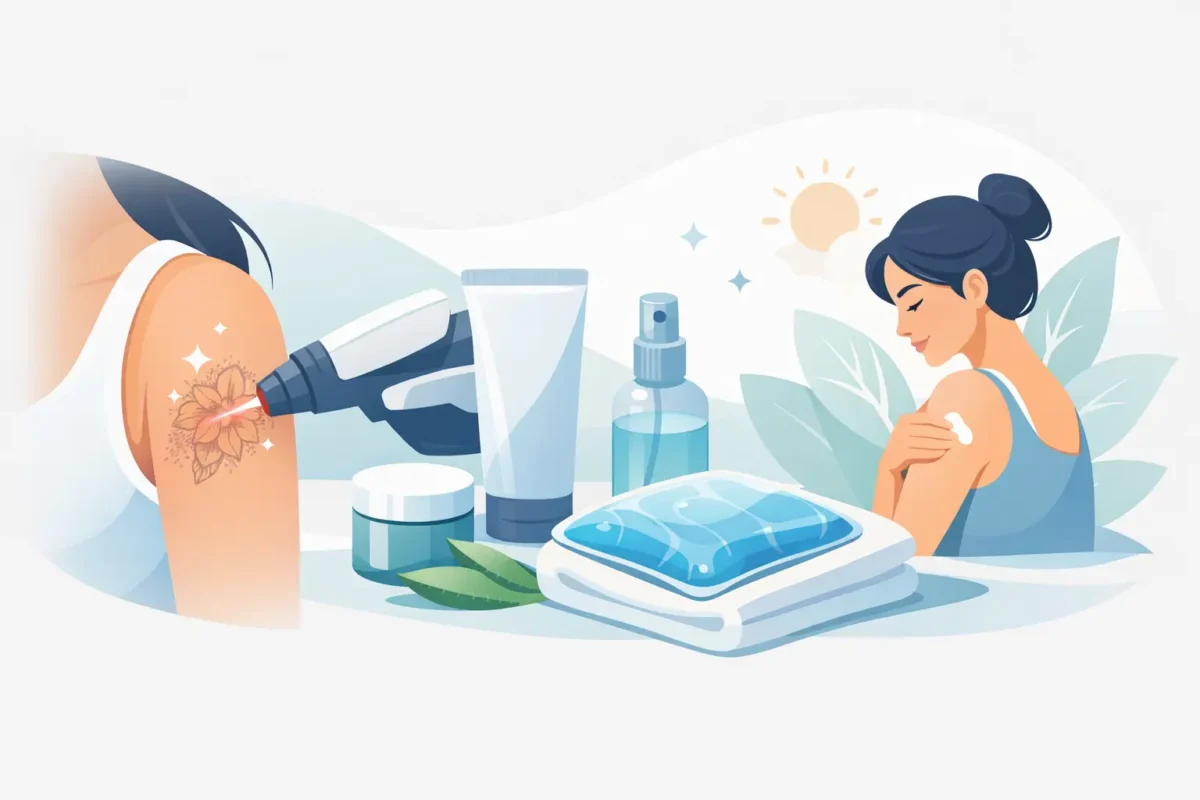
The treatment may take minutes, but laser tattoo removal aftercare is what shapes how your skin recovers between sessions. If you want the area to heal cleanly, feel more comfortable, and be ready for your next appointment on time, what you do in the first few days matters more than most people expect.
Tattoo removal is not just about breaking up ink. It is also about giving your skin the right conditions to repair itself. That means protecting the treated area, managing irritation, and avoiding the habits that can slow healing or trigger unnecessary inflammation. Good aftercare supports better comfort and a smoother treatment journey.
Why laser tattoo removal aftercare matters
Laser tattoo removal works by delivering energy into the ink so the pigment breaks into smaller particles. Your body then clears those particles gradually over time. While that process happens below the surface, the skin above it still needs to recover from heat and inflammation.
That is why aftercare is not a minor detail. It helps reduce the chance of blistering complications, infection, prolonged redness, and changes in skin texture. It also gives your practitioner a better foundation to work with at your next session. Healthy healing skin responds better than skin that has been picked at, overexposed to sun, or irritated by the wrong products.
There is also a practical side to this. If the area stays inflamed longer than it should, your timeline can stretch out. Most clients want visible progress with as little disruption as possible. Consistent aftercare helps keep the process moving.
What to expect right after treatment
Most people notice a reaction quickly. The treated area can look white or frosted at first, followed by redness, swelling, tenderness, or a warm sensation similar to a sunburn. Some clients develop small blisters or scabbing, which can be a normal part of healing.
The intensity depends on several factors, including the size of the tattoo, ink colors, skin sensitivity, the location on the body, and how your skin has responded to previous sessions. A small black tattoo on the upper arm may heal faster than dense multicolor ink on the ankle or hand.
This is where expectations matter. Mild discomfort, swelling, and temporary skin changes do not automatically mean something is wrong. Healing is not always perfectly pretty. The goal is to support it without interfering.
The first 24 to 72 hours
The first few days are when most of the visible skin response happens. Keep the area clean and dry, and follow the instructions your provider gives you for dressings, ointment, or healing creams. If a bandage was applied, change it exactly as directed rather than improvising.
A cool compress can help with heat and swelling, but keep it gentle. You do not want ice sitting directly on the skin. Short intervals are usually enough to take the edge off without adding stress to the area.
Wear loose, breathable clothing if the tattoo is on the body. Friction from tight waistbands, bras, sleeves, or athletic fabrics can make the area more irritated than it needs to be. If the treatment site is exposed, keep it protected from dirt and unnecessary contact.
You should also avoid hot tubs, swimming pools, saunas, and intense workouts that cause heavy sweating during the early healing phase. Heat and moisture can aggravate the skin and raise the risk of irritation.
How to wash and protect the skin
Gentle care wins here. Clean the area with mild soap and lukewarm water, then pat it dry with a clean towel. Do not scrub, exfoliate, or use active skincare ingredients over the treatment site.
This is not the time for retinol, glycolic acid, strong acne treatments, fragranced body products, or harsh cleansers. Even products you normally tolerate well can feel too aggressive on freshly treated skin.
If your provider recommends an ointment or healing balm, use a thin layer. More is not better. A heavy coating can trap excess moisture and make the area feel macerated. The goal is a protected healing environment, not a greasy seal.
Blisters, scabs, and itching
This is the part that tests patience. Blisters can happen after laser tattoo removal, especially on denser tattoos or areas where the skin is thinner. Scabbing and itching can also show up as the skin recovers.
The rule is simple – do not pick, pop, scratch, or peel. Blisters protect the skin underneath. Scabs are part of repair. Interrupting either one increases the chance of scarring, pigment changes, and delayed healing.
If itching becomes annoying, keep the area moisturized only as directed and avoid anything that creates friction. Sometimes clients mistake normal healing for a problem and start over-treating the area. Usually, less interference leads to better results.
Sun exposure can slow progress
If there is one aftercare issue that deserves extra attention, it is sun exposure. Treated skin is more vulnerable, and UV exposure can increase the risk of hyperpigmentation or other uneven color changes during healing.
Keep the area out of direct sun whenever possible. Once the skin has closed and your provider says it is safe, sunscreen becomes essential. This is especially important if the tattoo is on the forearm, ankle, chest, or anywhere that sees regular daylight exposure.
For many clients, this affects scheduling. If you spend long days outdoors in summer, or you have a vacation coming up, treatment timing may need a little planning. That does not mean you cannot move forward. It just means aftercare should fit your real life.
What can affect healing time
There is no universal timeline because skin does not heal in a vacuum. Your immune system, the tattoo itself, and your day-to-day habits all play a role.
Location matters. Tattoos on hands, feet, and lower legs can heal more slowly because circulation is different and those areas get more movement and friction. Ink density matters too. Heavily saturated professional tattoos often create a stronger treatment response than lighter amateur work.
Your general health matters as well. Smoking, poor sleep, dehydration, and constant irritation at the treatment site can all work against the clean healing you want. On the other hand, consistent care and realistic spacing between sessions support better progress.
When to contact your provider
Some redness, swelling, tenderness, blistering, and scabbing can be normal. What deserves attention is anything that seems excessive or keeps getting worse instead of better.
Reach out to your clinic if you notice spreading redness, increasing pain after the first couple of days, pus, unusual odor, significant warmth, or fever. Those signs can point to infection or an unusual healing response that should be assessed promptly.
It is always better to ask than guess. In a physician-led clinic setting, aftercare support is part of safe treatment, not an extra.
Common mistakes that can delay results
The biggest mistake is treating the area as if it is already healed when it is not. Clients sometimes resume workouts too fast, soak in baths, spend a weekend in the sun, or pick at flaky skin because they want it to look smoother sooner. That usually backfires.
Another common issue is using too many products. After laser treatment, skin often does best with a simple routine and close attention to your provider’s instructions. Trying every soothing cream in the cabinet can create more irritation, not less.
There is also the timing question. More sessions do not mean faster results if the skin has not fully recovered. Laser tattoo removal is a process, and spacing treatments properly gives your body time to clear ink while the skin settles.
Aftercare is part of the result
People often focus on the laser itself, but the full result comes from the combination of smart treatment settings, experienced clinical care, and disciplined healing between visits. That is why laser tattoo removal aftercare deserves real attention. It is not just about getting through the week after treatment. It is about giving your skin the best chance to recover well and keeping your removal plan on track.
At Bloom Laser Clinic, that approach reflects the science of smart skin – modern treatment paired with practical care that helps you feel confident at every stage. A little patience now can make the next session easier, the healing smoother, and the progress more rewarding.