


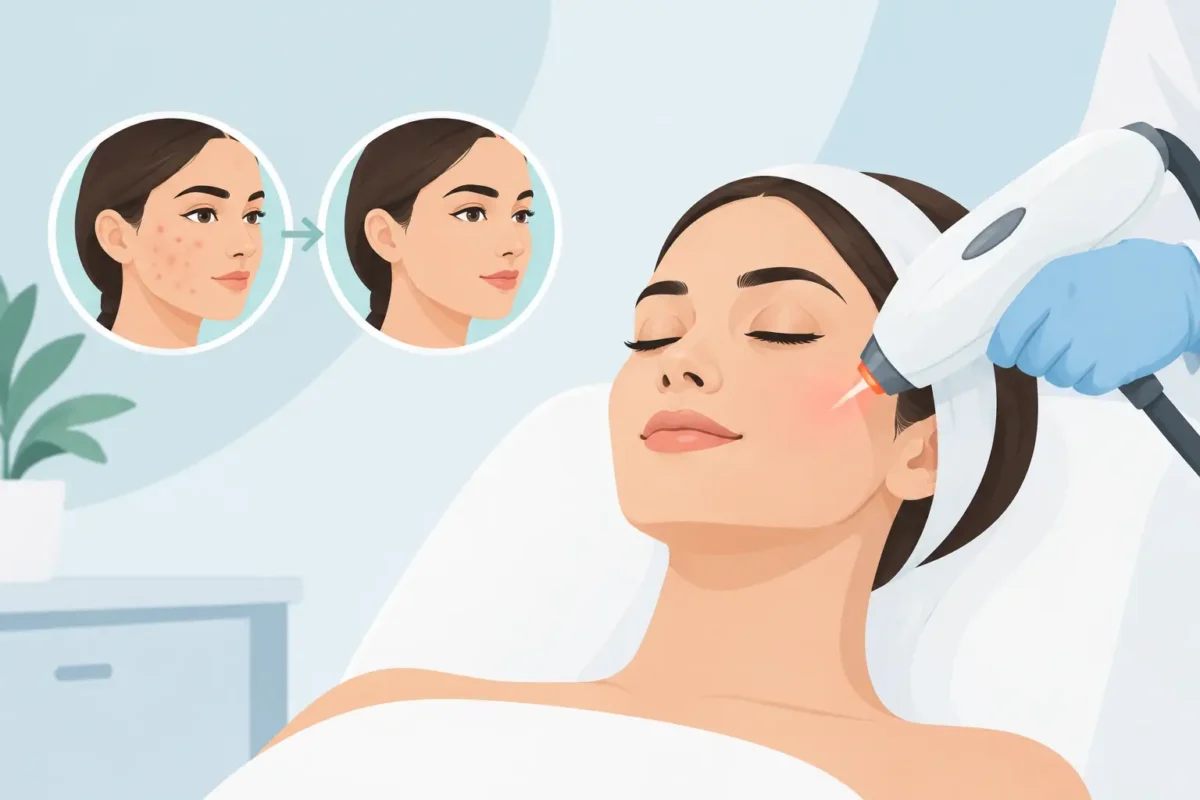
Persistent acne can make every new product feel like another gamble. A professional acne treatment laser review should be more useful than a list of dramatic before-and-afters: it should explain what laser treatment can realistically improve, what it cannot replace, and why a personalized plan matters.
Laser treatment can be a meaningful option for adults dealing with active breakouts, recurring inflammation, excess oil, enlarged pores, and lingering redness or discoloration. It is not a one-visit cure, and it is not the right answer for every type of acne. With an experienced provider, however, it can be a powerful non-surgical way to improve the look and behavior of acne-prone skin while supporting clearer, more confident skin over time.
What Laser Treatment Is Designed to Do for Acne
Acne is not one single problem. Breakouts can be driven by excess sebum, clogged pores, inflammation, bacteria, hormonal shifts, stress, and product irritation. The marks left behind can add another layer, including post-inflammatory redness, brown spots, textural irregularities, and true depressed scars.
Laser and light-based treatments work by delivering controlled energy into targeted layers of skin. Depending on the technology and settings used, treatment may help reduce inflammation, address acne-associated bacteria, calm redness, refine the appearance of pores, regulate oil production, and stimulate collagen remodeling. That last benefit is particularly relevant when acne has left early textural changes or shallow scarring.
The goal is not to aggressively strip or punish the skin. Modern laser care is about controlled stimulation. The right treatment encourages healthier skin renewal while respecting the skin barrier, which is especially important when acne-prone skin is already sensitive from breakouts or topical medications.
Acne Treatment Laser Review: What Results Are Realistic?
The most encouraging reviews often mention skin that looks calmer, less congested, and more even after a series of treatments. Clients may see fewer inflammatory breakouts, reduced facial redness, a smoother-looking surface, and makeup that sits more evenly. Results tend to build gradually rather than appearing overnight.
For active acne, many people notice that breakouts become less intense or resolve more quickly as treatment progresses. For acne marks, the response depends on whether the concern is color or texture. Red or brown post-acne marks may fade with the right laser approach and diligent sun protection. Depressed scars usually require a longer collagen-remodeling strategy and may respond best to a combination of treatments rather than laser sessions alone.
It is equally important to set clear limits. Deep cystic acne, significant hormonal acne, and severe nodular breakouts may need medical acne management alongside aesthetic treatment. Laser care can complement a dermatologist-directed plan, but it should not delay evaluation of painful, scarring, or rapidly worsening acne.
A credible result is improvement, not airbrushed perfection. Skin still has pores, texture, and normal variation. The best outcome is often skin that feels more balanced and looks visibly clearer without appearing overtreated.
How Many Sessions Will You Need?
Most clients should expect a series, not a single appointment. The exact number depends on the technology used, the severity and type of acne, skin sensitivity, and whether the focus is active breakouts, discoloration, or scarring. A provider may recommend several sessions spaced weeks apart, followed by maintenance care when needed.
That timeline can feel slower than buying a new product, but it gives the skin time to respond safely. Collagen renewal also takes time. If scars are part of your concern, visible refinement can continue for months after the final session.
Comfort, Downtime, and the First Few Days
Comfort varies by device and treatment intensity. Many clients describe a warm, prickling, or snapping sensation during treatment. Some laser treatments are very tolerable with cooling measures, while more intensive resurfacing approaches may require topical numbing and involve greater recovery time.
Immediately afterward, skin may look pink or flushed and feel warm, similar to a mild sunburn. Mild swelling, dryness, or temporary darkening of existing spots can also occur. Less intensive acne-focused treatments may allow a return to normal activities quickly, while stronger resurfacing treatments can involve several days of visible redness and peeling.
Your provider should tell you exactly what to expect before treatment, including when makeup can be worn again, whether exercise should be postponed, and how to care for your skin. Avoiding direct sun exposure and using a broad-spectrum sunscreen are not optional after laser treatment. They are essential for protecting results and lowering the chance of unwanted pigmentation.
Who Is a Good Candidate?
A consultation is the most valuable part of the process because laser settings are never one-size-fits-all. A good candidate may be an adult with mild to moderate inflammatory acne, frequent congestion, acne-related redness, or early scarring who wants a non-invasive treatment plan.
Your provider will consider your skin tone, current medications, acne history, tendency toward hyperpigmentation, history of cold sores, and previous procedures. If you are using prescription retinoids, have recently taken isotretinoin, are pregnant, have an active skin infection, or are prone to unusual scarring, treatment timing or technique may need to change.
Darker skin tones can absolutely benefit from laser care, but experience matters. The provider must select the appropriate technology and conservative settings to minimize the risk of post-inflammatory hyperpigmentation. This is one reason a clinical consultation is more valuable than choosing treatment solely from online photos or a promotional price.
Preparing for an Acne Laser Appointment
Arrive with clean skin and a clear picture of what you are using at home. Bring information about prescriptions, active ingredients, supplements, and recent treatments. Acne skin is often exposed to strong exfoliants, benzoyl peroxide, salicylic acid, retinoids, and spot treatments, so your provider may ask you to pause certain products beforehand.
Do not tan before treatment, and do not treat a laser appointment as a reason to abandon your skincare routine afterward. Gentle cleansing, barrier-supporting moisturizer, and daily sunscreen help your skin recover and protect the progress you are making. Picking at breakouts can undermine results by prolonging inflammation and increasing the risk of marks.
It also helps to ask a practical question: what is the plan if your acne changes? A thoughtful clinic will discuss whether laser sessions should be adjusted, paired with professional skincare, or coordinated with medical acne care if breakouts become more severe.
How Laser Treatment Compares With Other Acne Options
Topical products can be effective, accessible, and essential for maintenance, but they require consistency and may cause irritation during the adjustment period. Oral medication can be appropriate for more severe or hormonal acne, though it comes with its own medical considerations. Chemical peels and facials may support congestion and surface renewal, while microneedling is often considered for certain scar patterns.
Laser treatment stands out when the goal includes both active acne support and visible improvement in redness, pigment, or texture. The trade-off is cost and the need for professional appointments. It is best viewed as part of a plan, not a replacement for every other form of acne care.
Questions Worth Asking Before You Book
Ask which concern the recommended laser is intended to address: active acne, redness, dark marks, pore appearance, or scarring. These are related concerns, but they do not always respond to the same treatment. Ask how many sessions are likely, what downtime is expected, how your skin tone will be assessed, and what results are reasonable in your specific case.
You should also feel comfortable asking who will perform the procedure and what experience they have treating acne-prone skin. Clear answers, realistic expectations, and a tailored aftercare plan are signs of quality care.
Clearer skin is rarely the result of one perfect treatment. It comes from choosing the right technology, respecting your skin’s needs, and giving the process time. At Bloom Laser Clinic, a consultation can help turn that uncertainty into a focused plan built around your skin, your schedule, and the visible results you want to see.