


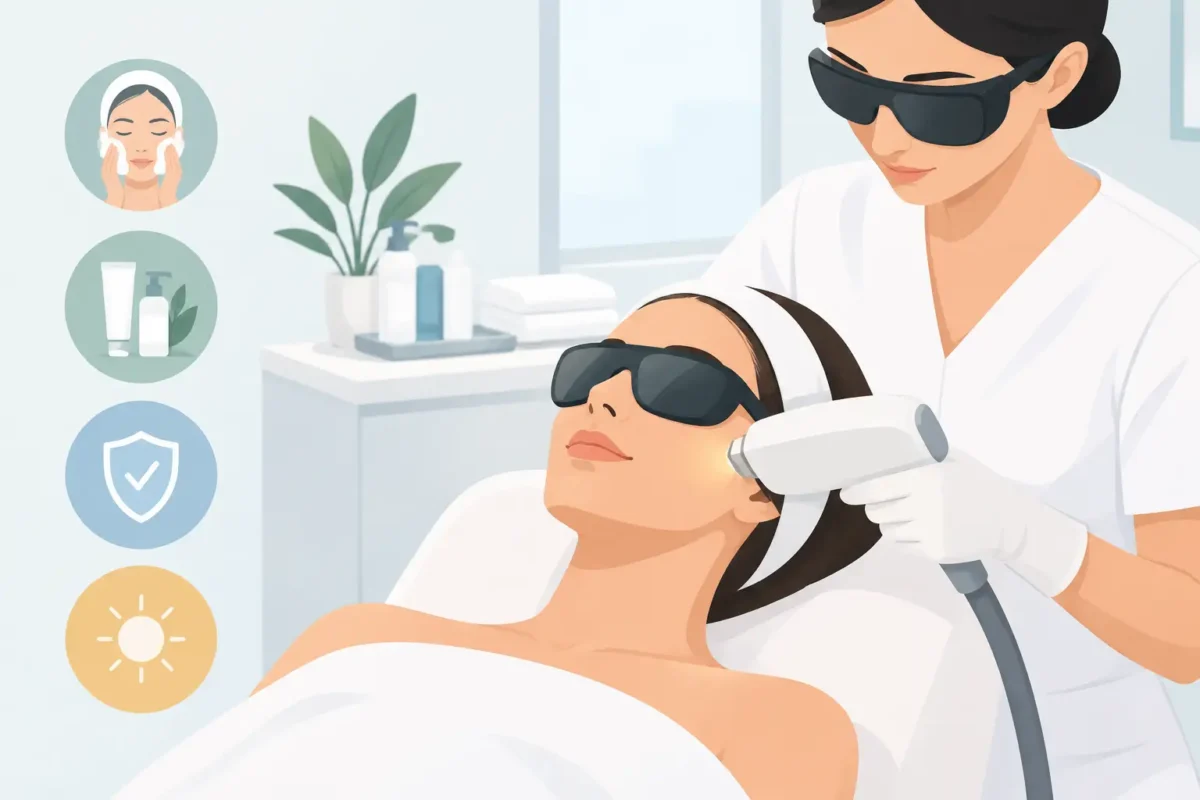
A laser peel can be a smart choice when dullness, uneven tone, visible pores, acne marks, or sun-related pigmentation make your skin feel less like you. Knowing how to prepare for a laser peel helps your provider treat your skin safely and helps you get the refreshed, clearer-looking result you came for. Preparation is not about having a complicated routine. It is about arriving with calm, protected skin and a full picture of what may affect treatment.
At Bloom Laser Clinic, laser peel plans are tailored to your concerns, skin type, and lifestyle. The precise instructions you receive at your consultation should always take priority, especially if you are treating melasma, active acne, rosacea, or deeper pigmentation.
Start With an Honest Skin Consultation
A laser peel is not one-size-fits-all. Devices, settings, treatment areas, and recommended treatment frequency can differ based on whether your goal is a brighter complexion, smoother texture, acne control, pigment correction, or an event-ready glow. Your practitioner needs to see your skin as it is now, not as it was in a filtered photo or before a recent breakout.
Come prepared to discuss your medical history, skin conditions, previous cosmetic treatments, allergies, and the products you use. Share whether you have ever had cold sores, post-inflammatory hyperpigmentation, keloid scarring, or a reaction to a laser or peel. These details can change the approach or mean that a different treatment timing is safer.
Tell your provider about every prescription and over-the-counter medication, vitamin, and supplement you take. Certain medications and supplements can increase sensitivity, bruising, or photosensitivity. Do not stop prescribed medication on your own. Your medical provider and laser practitioner can advise whether adjustments are appropriate.
Protect Your Skin From Sun Exposure
The most valuable preparation often begins with sunscreen. Tanned, sunburned, or recently UV-exposed skin can be more reactive and may carry a higher risk of unwanted pigment changes after laser treatment. If you have been enjoying time outdoors in Nova Scotia, Prince Edward Island, or New Brunswick, remember that cool weather does not eliminate UV exposure.
Use a broad-spectrum sunscreen with SPF 30 or higher every morning, and reapply when you are outdoors. Add a hat and seek shade where possible. Your provider may ask you to avoid intentional tanning, tanning beds, and self-tanner for a period before treatment. Self-tanner does not damage the skin like UV exposure, but it can interfere with an accurate assessment of skin tone and treatment response.
If you develop a sunburn, contact the clinic before your appointment. Treating inflamed skin is rarely worth rushing. Rescheduling may be the best way to protect your result.
Keep Your Routine Gentle Before Treatment
In the days leading up to a laser peel, your goal is to avoid irritation. A red, flaky, over-exfoliated complexion is not an ideal starting point. Your provider may recommend pausing active skincare ingredients for several days, depending on the treatment and your skin’s sensitivity.
Common products that may need a temporary break include retinoids, retinol, tretinoin, exfoliating acids such as glycolic or salicylic acid, exfoliating scrubs, benzoyl peroxide, and strong at-home peels. Do not assume every product must be stopped or that the same timeline applies to everyone. Ask specifically about your routine during your consultation.
For most people, a simple cleanser, moisturizer, and sunscreen are enough before a laser peel. Avoid testing new products right before treatment. Even an excellent serum can trigger unexpected irritation when your skin is already adjusting to a procedure.
Avoid Skin Stressors That Can Affect Healing
Laser energy works best when the skin is stable. Schedule waxing, threading, depilatory creams, and other hair-removal methods away from the treatment area according to your provider’s instructions. These can make skin more sensitive or remove hair in a way that affects planning for certain laser treatments.
Also let your practitioner know if you have recently had injectables, microneedling, a chemical peel, surgery, or another energy-based procedure. Combining treatments can be very effective when planned properly, but crowding them too close together can increase irritation and complicate recovery.
If you have an active rash, cold sore, open wound, infection, or severe acne flare in the area to be treated, call before arriving. A short delay can be frustrating, particularly before an event, but it is better than treating compromised skin and risking a longer recovery.
How to Prepare for a Laser Peel on Appointment Day
Arrive with clean skin whenever possible. Skip makeup, tinted sunscreen, self-tanner, and heavy skincare on the treatment area unless your clinic has told you otherwise. This gives the practitioner a clear view of your skin and saves time removing product before treatment.
Wear comfortable clothing and avoid anything that may rub against a treated body area afterward. For a facial laser peel, plan to bring a hat and sunglasses for the trip home. Your skin may look pink or feel warm immediately afterward, and fresh skin should not be exposed unnecessarily to direct sunlight.
Eat normally, drink water, and give yourself time to arrive without rushing. You do not need to overhydrate or follow a restrictive pre-treatment diet. Still, showing up rested, nourished, and relaxed can make any appointment more comfortable.
If you are prone to anxiety around treatments, say so. Your practitioner can explain each step, check in during the session, and recommend practical comfort measures. A professional laser treatment should feel informed and controlled, not intimidating.
Plan for Realistic Downtime
Not every laser peel involves the same recovery. Some treatments are designed for minimal disruption and may leave you with temporary warmth, mild redness, or a subtle rough texture. Others may involve more visible flaking or pigment darkening before the skin clears. The result depends on the laser, settings, treatment area, and the concern being addressed.
Avoid booking your first laser peel immediately before a wedding, vacation, major presentation, or photo session. Even low-downtime options can produce an unpredictable short-term response, particularly in reactive or pigment-prone skin. When timing matters, schedule a consultation well in advance and build in a buffer.
Ask your provider what is normal after your specific treatment, when you can wear makeup again, and when you can return to exercise, swimming, saunas, or active skincare. Clear aftercare is part of good preparation because it prevents you from making rushed decisions once you are home.
Set Up Your Aftercare Before You Leave
Before your appointment, make sure you have a gentle cleanser, a bland moisturizer approved by your provider, and broad-spectrum sunscreen at home. That small amount of preparation makes the first few days easier. You will not need to search for products while your skin is sensitive.
Resist the urge to pick at flaking skin, scrub away roughness, or restart active products too soon. Visible peeling is not always the goal, and more peeling does not automatically mean a better result. Consistent, gentle aftercare and sun protection give your skin the best conditions to recover beautifully.
Questions Worth Asking Before You Commit
A quality consultation should leave you clear on the treatment plan, not guessing. Ask what type of laser peel is recommended, what it is designed to improve, how many sessions may be needed, and what changes you can realistically expect. Ask about likely downtime, potential side effects, and how your individual skin tone or medical history affects risk.
It is also reasonable to ask what to do if you experience unusual swelling, blistering, increasing pain, or signs of infection afterward. Those outcomes are not expected, but knowing how to contact your clinic is part of feeling confident in your care.
The best laser peel is not simply the strongest available option. It is the treatment selected thoughtfully for your skin, delivered by an experienced practitioner, and supported by the right preparation. Give your skin a calm runway before your appointment, follow personalized clinical guidance, and let science-led care help reveal a brighter, more confident-looking you.