


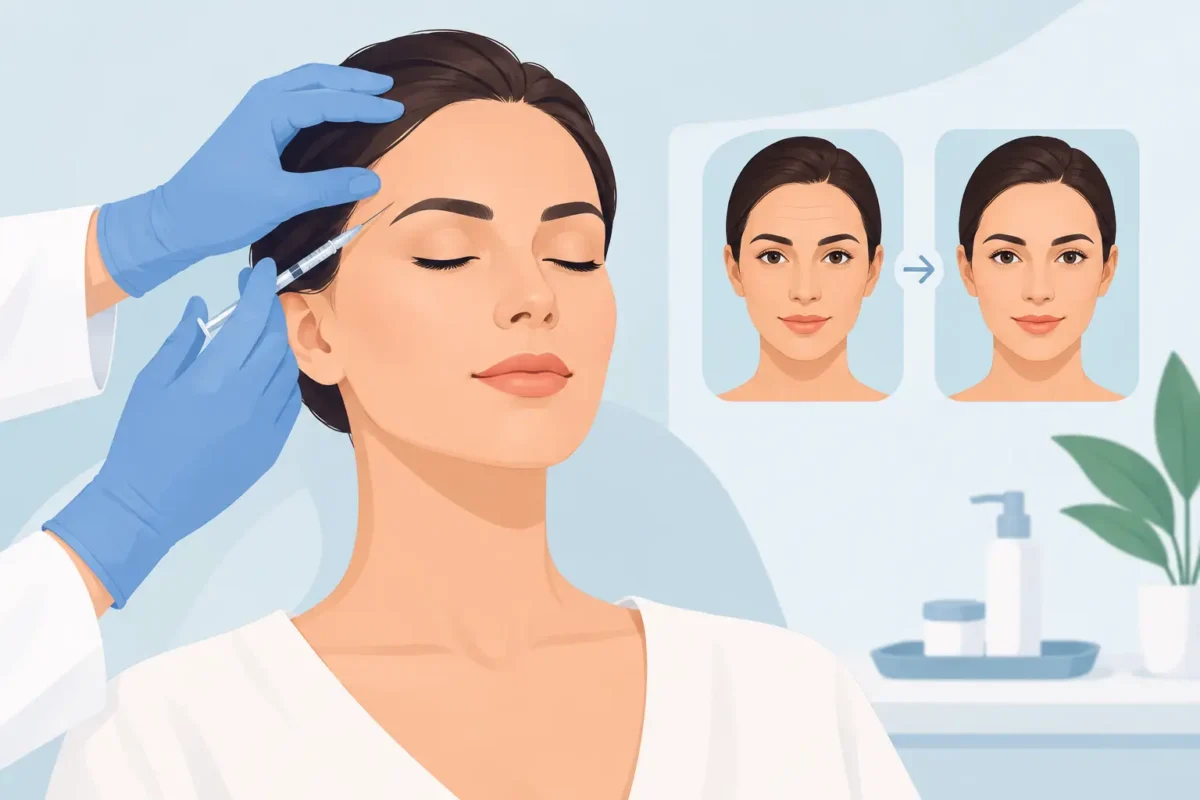
A Botox treatment should not make you look like someone else. Done thoughtfully, it can soften the lines that make you look tired, tense, or less refreshed than you feel, while preserving the expressions that make your face yours. The difference comes down to a careful assessment, precise placement, and a plan built around your features rather than a one-size-fits-all number of units.
For many clients, the goal is not to erase every movement. It is to look rested, polished, and naturally confident in person, in photos, and during everyday conversations.
What a Botox treatment actually does
Botox is a neuromodulator made from botulinum toxin type A. It works by temporarily reducing the nerve signals that tell selected facial muscles to contract. When a muscle relaxes, the skin above it has a chance to appear smoother.
This makes Botox especially effective for dynamic lines – the creases created by repeated facial movement. Think of the vertical lines between the brows that appear when concentrating, horizontal forehead lines, or crow’s feet that show up when smiling. It does not fill lost volume, tighten loose skin, or replace skin resurfacing treatments. Those concerns may call for a different approach, such as dermal filler, laser rejuvenation, or skin tightening.
That distinction matters. A line that is visible only when you make an expression often responds very well to Botox. A deep crease that remains when your face is fully at rest may soften, but it may not disappear completely after one appointment. Healthy expectations are part of a beautiful result.
Where Botox is commonly used
The upper face is the most familiar area for Botox treatment. Common treatment areas include the forehead, frown lines between the eyebrows, and crow’s feet around the eyes. Depending on anatomy and treatment goals, an experienced provider may also discuss areas such as a chin with a dimpled appearance, neck bands, a gummy smile, jaw muscle tension, or a downturned mouth.
Not every area is right for every person. For example, treating forehead lines without considering brow position can leave the brows looking lower or heavier. Treating the jaw muscles may create a more tapered facial appearance for some clients, but it is a different goal from addressing expression lines. The best plan starts with how your muscles move, the balance of your features, and what you would like to see when you look in the mirror.
Natural-looking results start with the consultation
A polished Botox result is not simply about using less product. Under-treating may leave a client disappointed, while over-treating or placing product without considering facial balance can limit expression. The right amount is personal.
At a professional consultation, your provider should ask about your medical history, medications, previous injectable treatments, allergies, and aesthetic goals. They should also assess your face at rest and in motion. Raising your brows, frowning, squinting, and smiling show where your muscles are strongest and where treatment can be placed most strategically.
Be clear about the look you want. Some people prefer very smooth skin with minimal movement. Others want a softer approach that keeps noticeable expression. Both can be reasonable goals when they are safely suited to your anatomy. Photos can help communicate the general style you like, but your result should be designed for your own face.
If you are new to injectables, a conservative first appointment can be a smart choice. Results can be adjusted at a follow-up when appropriate, while it is not possible to immediately reverse the effect of a neuromodulator. This measured approach often helps first-time clients feel comfortable and confident.
What happens during your appointment
A typical Botox appointment is quick, but it should never feel rushed. After the consultation and treatment plan, the skin is cleansed and small injections are placed in selected muscles with a fine needle. Most people describe the sensation as brief pinches rather than significant discomfort.
You may see tiny raised bumps or mild redness at the injection points right afterward. These usually settle quickly. Bruising is possible, particularly if you are prone to it or take medications or supplements that affect bleeding. Your provider can advise you on preparation based on your health history, rather than asking you to stop any prescribed medication on your own.
The full appointment time varies with the number of areas being treated, but many clients can return to work or regular plans the same day. That convenience is one reason Botox remains a popular non-surgical facial rejuvenation option.
Aftercare that protects your result
Your provider will give you specific aftercare instructions. In general, it is wise to avoid rubbing or massaging the treated areas on the day of your appointment. Many providers also recommend postponing strenuous exercise, intense heat exposure, and facials for the period they advise.
Plan your appointment with a little breathing room before a major event. Although many people have no visible downtime, a small bruise or temporary redness can happen. Giving yourself at least two weeks before an important wedding, trip, or photo session allows time for the result to settle and for a follow-up assessment if needed.
When you will see results and how long they last
Botox does not work instantly. Some clients begin to notice a change within a few days, with the full effect usually visible around 10 to 14 days. This is why an immediate post-treatment mirror check is not a preview of the final result.
For many people, results last about three to four months. Metabolism, muscle strength, dose, treatment area, and individual response all affect timing. Clients who exercise intensely or have very strong facial muscles may notice movement returning sooner. With consistent, properly planned treatments, some people find that the treated muscles gradually become less forceful between visits, but every schedule should be individualized.
A good maintenance plan is based on how your movement and lines return, not on chasing an unrealistic calendar date. Booking too frequently is not automatically better. Your provider can help you find a rhythm that maintains your preferred look while respecting your facial movement and budget.
Safety, side effects, and when to wait
Botox is widely used in medical aesthetics, but it is still a medical treatment that deserves qualified care. Choose a clinic that performs a proper consultation, uses authorized products, and has experienced medical oversight. Price matters, but unusually low pricing should never be the only deciding factor when treatment involves your face.
Common short-term effects can include tenderness, redness, swelling, a headache, or bruising at injection sites. Less common effects include uneven results, temporary eyelid or brow drooping, or unwanted changes in expression. These risks are reduced by skilled assessment and placement, but no injectable treatment is entirely risk-free.
Tell your provider about any neuromuscular conditions, active skin infections in the treatment area, medications, prior reactions to injectables, and whether you are pregnant or breastfeeding. Botox treatment is generally postponed during pregnancy and breastfeeding because safety data are limited. Seek prompt medical attention for symptoms such as trouble swallowing, speaking, breathing, or generalized muscle weakness after treatment.
Botox works best as part of a skin strategy
Relaxing expression lines can make a powerful difference, but Botox does not address every sign of aging on its own. Sun exposure, pigmentation, texture changes, acne scarring, and volume loss all influence how refreshed the skin appears. A thoughtful plan may combine Botox with daily sunscreen, medical-grade skincare, laser treatments, or other non-surgical options when appropriate.
This is where personalized care makes the difference between simply having a procedure and building a result you can enjoy. At Bloom Laser Clinic, the focus is on clinically informed, confidence-building treatments that fit real goals and real faces.
The best time to consider Botox is not when you feel pressured to change. It is when you have a clear concern, realistic expectations, and a provider you trust to help you look refreshed, expressive, and beautifully yourself.