


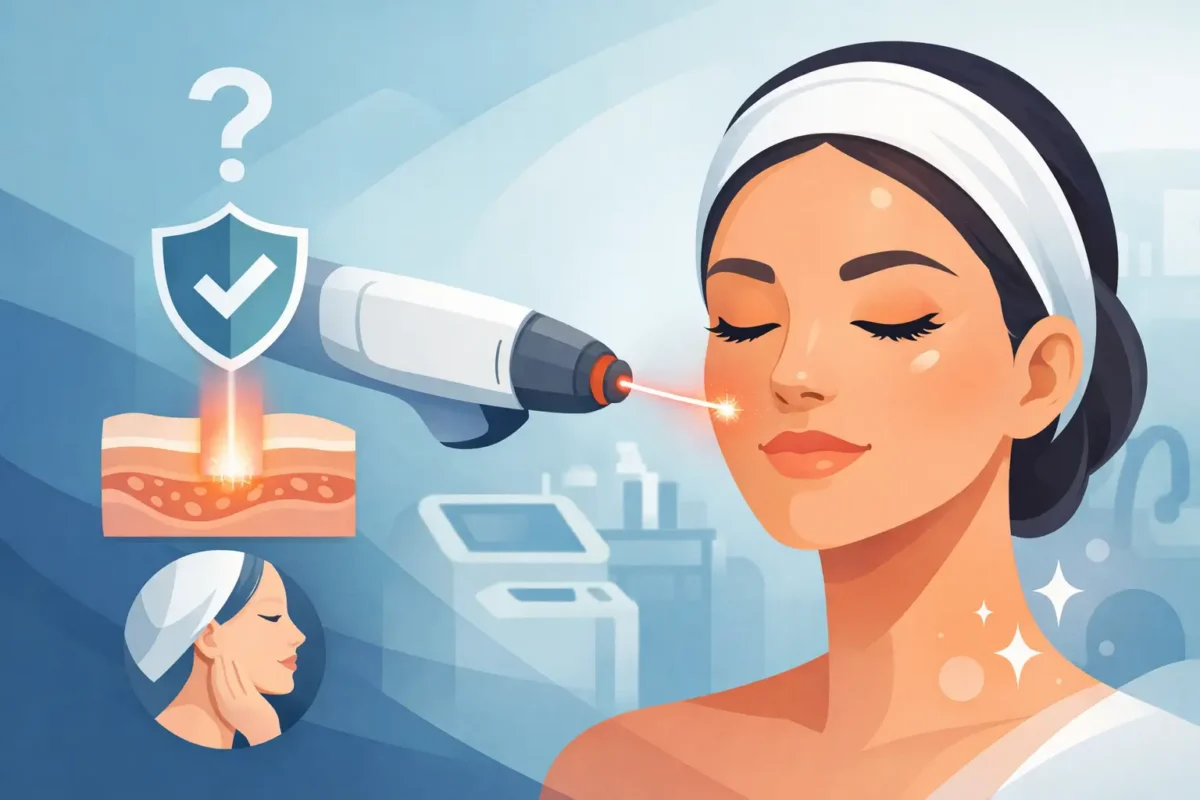
A laser peel can be an effective way to refresh dull skin, soften the look of pores, and address concerns such as sun damage, acne, uneven tone, and fine lines. But are laser peels safe? For the right candidate, with the right laser settings and an experienced provider, they can be a safe, non-surgical option for visible skin renewal. Safety is not a one-size-fits-all promise, though. It depends on your skin, your health history, the type of laser used, and how carefully you prepare and recover.
Are Laser Peels Safe for Most Skin Types?
Laser peels use controlled laser energy to heat or remove targeted layers of skin. That process encourages the skin’s natural repair response, supporting fresher surface cells and renewed collagen over time. Some treatments are very gentle, with little to no downtime. Others penetrate more deeply and create a more dramatic resurfacing effect, along with a longer recovery period.
A properly selected laser peel is generally safe for many adults. The key word is selected. Your treatment should never be chosen from a menu alone. A qualified practitioner should assess your skin tone, sensitivity, current concerns, previous treatments, medication use, and the results you want before recommending a plan.
This matters especially for clients with melasma, a history of post-inflammatory hyperpigmentation, or deeper skin tones. These skin types can absolutely benefit from laser care, but inappropriate settings or excessive heat may trigger unwanted darkening. A thoughtful provider may recommend a gentler laser peel, gradual treatment series, pigment-prep skincare, or another approach better suited to your skin.
Not All Laser Peels Create the Same Downtime
“Laser peel” is a broad term, and treatment intensity makes a meaningful difference to both results and risk. Non-ablative laser treatments warm the skin without removing its outer surface. They are often chosen for gradual improvement in texture, pores, mild pigmentation, and overall radiance. Redness is typically mild, and many clients return to their usual routine quickly.
A carbon-based laser peel, sometimes called a Hollywood Peel, is another low-downtime option. A carbon lotion is applied to the skin, then targeted with laser energy to help lift oil, debris, and superficial buildup while refreshing the appearance of the complexion. It can be appealing before an event because skin may look clearer and brighter with limited social downtime.
Ablative resurfacing treatments remove portions of the skin’s outer layer. They can offer more significant improvement for deeper lines, acne scarring, and pronounced textural concerns, but they also require more healing time and careful aftercare. Redness, swelling, peeling, and sensitivity are expected parts of recovery. These treatments demand a more detailed consultation because the potential benefits and risks are greater.
Neither category is automatically better. The safest choice is the one that matches your skin concern, skin tone, tolerance for downtime, and ability to follow aftercare instructions.
What Are the Real Risks?
When people ask whether laser peels are safe, they deserve an honest answer rather than a blanket reassurance. Most side effects are temporary and manageable, but every laser treatment carries some level of risk.
Common short-term effects include warmth, redness, mild swelling, dryness, flaking, and temporary sensitivity. Depending on the laser peel, these may last a few hours, several days, or longer. Skin can also look temporarily darker before pigment lifts, particularly when treating sun spots or uneven tone.
Less common complications include burns, blistering, infection, scarring, acne flare-ups, cold sore reactivation, and changes in pigmentation. These risks increase when a treatment is too aggressive, aftercare is ignored, the skin has recently been tanned, or a provider uses settings that are unsuitable for the individual client.
This is why a low price should never be the deciding factor. Advanced aesthetic treatments should be accessible, but safety comes from clinical judgment, appropriate technology, strict treatment protocols, and a provider who knows when not to treat.
Who Should Wait or Choose Another Treatment?
A consultation helps determine whether this is the right time for a laser peel. You may need to postpone treatment if you have an active rash, acne infection, open wound, cold sore outbreak, or significant skin irritation in the area being treated. Recent tanning, including self-tanner or substantial sun exposure, can make accurate assessment and safe laser settings more difficult.
Be open about all medications and skincare products. Retinoids, exfoliating acids, certain antibiotics, and medications that increase light sensitivity may affect your treatment plan. If you have used isotretinoin, have a history of keloid scarring, are prone to cold sores, or have an autoimmune or healing-related condition, your provider should evaluate your situation individually.
Elective laser procedures are commonly postponed during pregnancy and breastfeeding unless your medical provider advises otherwise. This is not because every laser peel is known to be harmful, but because treatment is cosmetic and safety data may be limited. Waiting is often the most conservative choice.
The Consultation Is Your First Safety Step
The best laser peel begins well before the laser is turned on. During a professional consultation, your provider should ask about your goals, medical history, medications, prior procedures, and how your skin responds to sun exposure or injury. They should examine the area, explain realistic results, and discuss the recovery you can expect.
A patch test may be appropriate, particularly for clients with sensitive skin, a history of pigment changes, or uncertainty about how their skin will respond. You should also be told which laser technology is being used and why it is appropriate for your concern.
Ask direct questions. How much redness or peeling should I expect? What are the specific risks for my skin tone? What should I stop using before treatment? What happens if I experience an unexpected reaction? Clear answers are a sign of a provider who prioritizes your care, not just the appointment.
At Bloom Laser Clinic, treatment planning is centered on the science of smart skin: matching advanced technology to the person in front of it, rather than pushing every client toward the same procedure.
How to Make Your Laser Peel Safer
Your choices before and after treatment influence both healing and results. In the days leading up to your appointment, follow your provider’s instructions on avoiding tanning, exfoliants, retinoids, and any products that may irritate the skin. Arrive with clean skin unless you have been told otherwise.
After treatment, think gentle and protective. Use the recommended cleanser and moisturizer, avoid picking or scrubbing flakes, and wear broad-spectrum sunscreen every day. Freshly treated skin is more vulnerable to UV exposure, and unprotected sun can undermine your results or contribute to pigmentation changes.
For the first several days, your provider may also ask you to avoid intense exercise, hot yoga, saunas, steam rooms, and hot showers. Heat and friction can prolong redness and irritation. Avoid introducing new active skincare products until your skin has settled and your provider confirms it is appropriate.
If you develop increasing pain, pronounced swelling, blisters, drainage, fever, or symptoms that concern you, contact your treatment provider promptly. Do not try to manage a possible complication with harsh home remedies or random over-the-counter products.
What Results Can You Expect?
The safest laser peel is also one that comes with realistic expectations. A gentle treatment may leave skin looking brighter and smoother shortly afterward, but collagen remodeling and pigment correction often develop gradually. A series of treatments may be recommended for acne, melasma, enlarged pores, or uneven texture.
Deeper resurfacing can create more visible change, but it requires patience during healing. The goal is not to force an overnight transformation. It is to improve skin quality in a controlled way that respects your skin’s ability to recover.
If you are considering a laser peel, bring your questions, your skincare routine, and your full health history to the consultation. The right treatment should leave you feeling informed before it leaves you glowing.