


A softer jawline, early jowling, and skin that no longer bounces back the way it once did can make the mirror feel surprisingly unfamiliar. If you want a visible lift without surgery or extended downtime, you may be asking: is HIFU treatment worth it? For the right person, high-intensity focused ultrasound can be a smart investment in firmer, more supported-looking skin. The key is having realistic expectations, an appropriate treatment plan, and an experienced provider.
HIFU is not a replacement for a surgical facelift, and it is not designed to create an overnight transformation. It is a non-invasive treatment that works with your skin’s natural collagen-building response. That makes it particularly appealing for people who want gradual, natural-looking rejuvenation while maintaining a busy schedule.
What HIFU Does for the Skin
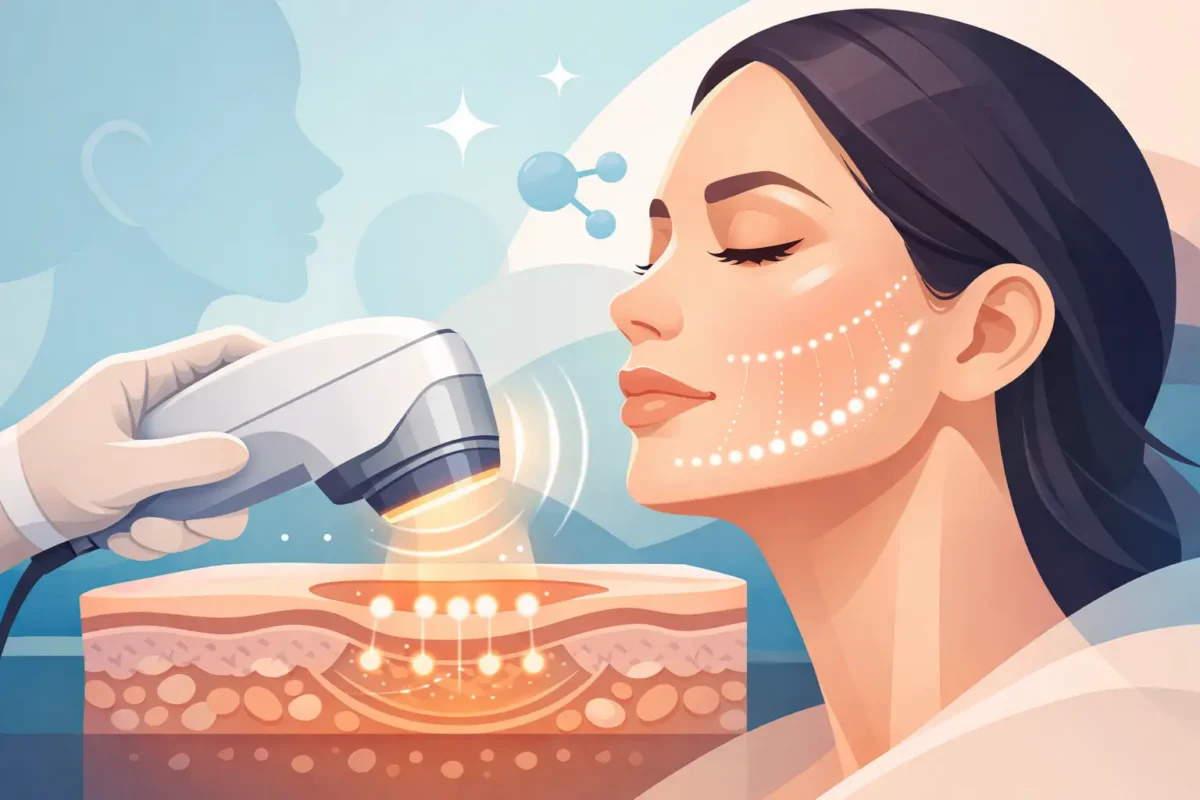
HIFU uses focused ultrasound energy to deliver controlled heat beneath the skin’s surface. The treatment targets selected layers of tissue without cutting or disrupting the outer skin. That heat initiates a wound-healing response, prompting the body to produce fresh collagen and elastin over time.
Collagen is one of the structural proteins responsible for skin’s firmness and resilience. As collagen production declines with age, the cheeks can appear less lifted, the jawline may lose definition, and fine lines can become more noticeable. HIFU is designed to improve that underlying support gradually rather than temporarily plumping the skin from the surface.
Common treatment areas include the cheeks, lower face, jawline, under-chin area, neck, brow, and décolletage. A personalized assessment matters because facial anatomy, skin quality, degree of laxity, and your aesthetic goals all influence whether HIFU is the best choice.
Is HIFU Treatment Worth It for Your Concerns?
HIFU is often most worthwhile for adults with mild to moderate skin laxity. You may be a good candidate if you have started noticing a less defined jawline, slight looseness under the chin, crepey skin on the neck, or an overall loss of facial firmness but are not ready for surgery.
The treatment can also suit people who prefer a subtle result. Rather than looking like you have had a dramatic procedure, you may simply look more refreshed, rested, and supported as collagen remodeling develops. This approach aligns well with clients who want to look like themselves, only more confident.
HIFU may be less satisfying if you have significant loose skin, heavy jowls, or a large amount of volume loss in the cheeks. Ultrasound energy can stimulate tightening, but it cannot remove excess skin or restore lost facial volume in the way surgery, dermal filler, or a combination treatment may. A trustworthy provider should be clear about that distinction before you commit.
It is also worth considering what bothers you most. If your main concern is texture, sun damage, pigmentation, enlarged pores, or acne scarring, treatments such as laser resurfacing or targeted skin rejuvenation may be more appropriate. HIFU focuses on firmness and lift, not surface correction. Many clients benefit most from a strategic plan that addresses both skin quality and skin structure.
What Results Can You Realistically Expect?
Some people notice a slight tightening effect shortly after treatment, but the meaningful changes happen more gradually. Your body needs time to create and reorganize collagen. Most clients begin seeing improvement over the following weeks, with results often continuing to develop for two to three months.
The result is generally a modest but noticeable improvement in skin firmness, contour, and lift. A sharper jawline, a more refined under-chin profile, slightly elevated brows, or smoother neck skin can make a meaningful difference in photographs and everyday confidence. Results vary based on age, genetics, lifestyle, baseline skin laxity, and the treatment settings used.
For many clients, one well-planned session is enough to begin. Others may benefit from additional sessions or a maintenance approach, especially as natural aging continues. Your provider can recommend a schedule based on your tissue quality and desired outcome rather than applying the same plan to every face.
The longevity of HIFU results also varies. Many people enjoy their improvement for around a year or longer, although the treatment does not stop the aging process. Daily sun protection, a consistent skincare routine, stable weight, and healthy lifestyle habits can help protect the quality of your skin and support your investment.
Treatment Comfort, Downtime, and Safety
One of HIFU’s biggest advantages is that it typically requires little to no social downtime. You can usually return to normal activities promptly, which is helpful if you cannot take time away from work, family, or social commitments. Mild redness, tenderness, swelling, tingling, or sensitivity can occur and usually resolves quickly.
Comfort levels differ from person to person and by treatment area. Clients often describe brief sensations of warmth, pressure, or tiny pulses beneath the skin as ultrasound energy is delivered. Areas close to the jawline or bone can feel more intense. A knowledgeable practitioner will adjust the treatment thoughtfully, communicate throughout the session, and prioritize both safety and comfort.
HIFU is generally considered safe when performed by a properly trained professional using appropriate technology and protocols. However, non-invasive does not mean one-size-fits-all. Your provider should review your health history, current medications, prior cosmetic procedures, and any skin conditions before treatment. HIFU may not be suitable in areas with active infections, open wounds, certain implanted devices, or specific medical considerations.
The Value Question: Cost Versus a Surgical Lift
The value of HIFU is not only about the price of a session. It is about what you receive for that investment: a non-surgical approach, no incisions, minimal interruption to daily life, and collagen-based improvement that develops naturally. For clients with early signs of laxity, those benefits can make HIFU highly worthwhile.
A facelift produces a more dramatic correction for advanced sagging, but it also involves surgery, recovery, scars, anesthesia considerations, and a substantially different financial commitment. HIFU occupies a different place in an aesthetic plan. It is best viewed as a proactive or moderate-level treatment, not a bargain version of surgery.
Choosing based on the lowest advertised price can be costly in another way. Results depend on the quality of the device, the depth and placement of energy, the provider’s understanding of facial anatomy, and the honesty of the consultation. At Bloom Laser Clinic, the goal is to recommend treatments that make sense for your skin and expectations, not to force every concern into one solution.
How to Decide Before You Book
Start with a consultation that feels specific to you. Ask what degree of improvement is realistic for your face, when you should expect to see it, how many treatments may be recommended, and whether another treatment could better address your primary concern. Before-and-after photos of clients with similar skin laxity can also help establish realistic expectations.
It is useful to decide what success looks like before treatment. If your goal is a naturally firmer jawline and a refreshed look with minimal downtime, HIFU may feel like an excellent fit. If you expect dramatic lifting in a single appointment or want to correct substantial sagging, you may be happier exploring other options.
The best aesthetic treatments are not about chasing someone else’s face or a temporary trend. They are about making an informed choice that helps you feel comfortable, confident, and beautifully yourself.