


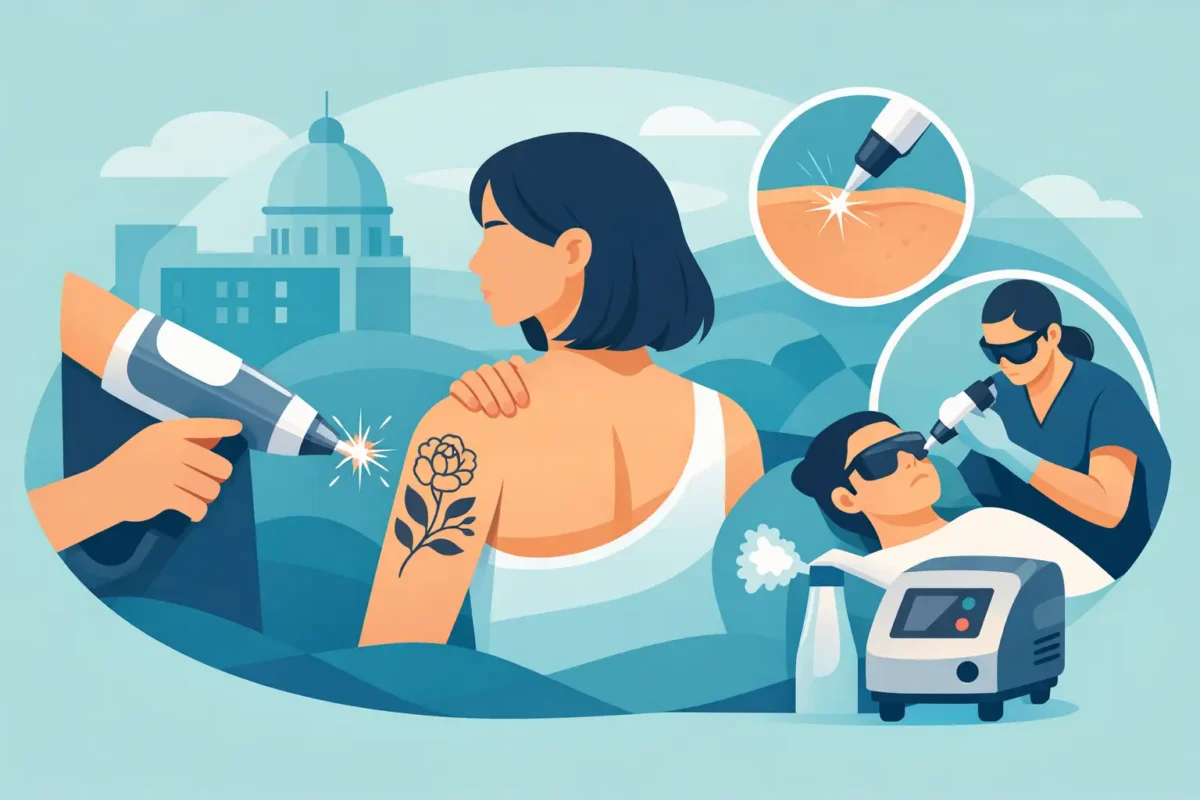
A tattoo that felt right at 22 can feel very different at 32. Sometimes it is a name, sometimes an old design that no longer fits your style, and sometimes it is simply ink that has faded into something you no longer want to carry. If you are comparing tattoo removal Halifax options, the good news is that modern laser treatment can make removal far more effective and precise than many people expect.
The right choice depends on more than whether a clinic offers tattoo removal. It depends on the technology being used, the experience of the provider, your skin tone, the colors in the tattoo, where it sits on the body, and how much fading you are hoping to achieve. For some clients, complete removal is the goal. For others, lightening a tattoo for a cover-up is the smarter and faster path.
Understanding tattoo removal Halifax options
Most professional tattoo removal today is laser-based, and for good reason. Laser technology targets tattoo pigment beneath the skin without surgery, allowing the body to gradually clear fragmented ink particles over time. This makes it the leading non-invasive option for people who want visible improvement with less downtime than older, more aggressive methods.
That said, not all laser tattoo removal is the same. Different systems work better on different ink colors and skin types, and treatment settings need to be adjusted carefully. Black ink often responds best because it absorbs laser energy efficiently. Green, blue, and certain bright colors can be more stubborn, which means more sessions or a more specialized approach may be needed.
You may also come across non-laser methods when researching tattoo removal Halifax options. These can include saline removal, excision, or older abrasion-based techniques. In most cosmetic cases, they are less attractive because they may involve more discomfort, more healing time, and a higher risk of textural change or scarring. They can have a place in select situations, but for many clients seeking a cleaner cosmetic outcome, laser remains the preferred treatment.
What makes laser tattoo removal the leading option
Laser removal is popular because it is targeted, customizable, and progressively effective. The treatment works by delivering energy into the pigment, breaking it into smaller fragments so your immune system can clear it away naturally. Results develop over a series of appointments rather than all at once, which is why patience matters.
The benefit of a medical aesthetics setting is that treatment can be tailored to the skin, not just the tattoo. That matters. A small black tattoo on the ankle behaves differently from a dense multicolored sleeve, and both are different again from cosmetic pigment or older amateur ink. A provider with real laser experience can set realistic expectations before treatment starts instead of promising a best-case result to every client.
There is a trade-off here. Laser removal is effective, but it is not instant. Clients often need multiple sessions spaced several weeks apart. The interval gives the skin time to recover and gives the body time to process the shattered pigment. Rushing sessions usually does not improve results and can increase irritation.
What affects your results
Two people can remove similarly sized tattoos and have very different treatment plans. Ink depth, color mix, age of the tattoo, and your individual immune response all play a role.
Professional tattoos often take longer to remove than amateur tattoos because the ink is usually placed more deeply and consistently. Newer tattoos can sometimes be more resistant at first because the pigment is still dense. Older tattoos may already be partially broken down by time and sun exposure, which can help the laser process.
Location matters too. Tattoos closer to the heart and central circulation, such as those on the upper arms or torso, often fade more efficiently than tattoos on the hands, feet, or lower legs. Lifestyle can influence progress as well. General health, smoking status, and aftercare habits may affect how quickly your body clears the ink.
Skin tone is another essential factor. Safe, effective treatment requires choosing settings that respect the natural pigment in the skin while still targeting the tattoo. This is why consultation matters so much. Good tattoo removal is not just about strong laser energy. It is about precision.
How many sessions should you expect?
This is one of the first questions clients ask, and the honest answer is that it depends. Some small, simple black tattoos may fade significantly in fewer sessions, while layered, colorful, or heavily saturated tattoos can require a longer series.
If your goal is complete removal, expect a gradual process. If your goal is to lighten a tattoo enough for a cover-up, you may need fewer sessions than someone aiming for full clearance. That distinction can save time and money, so it is worth being clear about your end goal from the beginning.
An experienced clinic should explain expected fading in phases, not make unrealistic promises. Full removal is possible for many tattoos, but some may leave a faint shadow, slight pigment change, or residual trace depending on the ink and the skin’s response.
What treatment feels like and what recovery looks like
Laser tattoo removal is often described as quick but sharp. Many clients compare it to the snap of an elastic band or small bursts of heat. The sensation varies by body area, tattoo density, and individual pain tolerance. Sensitive areas can feel more intense, but sessions are typically manageable and relatively brief.
Immediately after treatment, the area may look white or frosted for a short time. Redness, warmth, mild swelling, and tenderness are common in the first few days. Some clients experience pinpoint bleeding or blistering, which can be a normal part of the healing response when managed properly.
Aftercare is not complicated, but it is important. The area needs to be kept clean, protected, and left alone while it heals. Picking at scabs, exposing healing skin to friction, or overdoing sun exposure can interfere with the cosmetic result. A trustworthy provider will give you clear instructions and explain what is normal versus what should be checked.
Comparing clinics and technology
When reviewing tattoo removal Halifax options, it is easy to focus on price first. Cost matters, but it should not be the only filter. A lower session price may not be the better value if the technology is outdated or the provider lacks experience with your skin type or tattoo color profile.
Ask what laser system is being used, how many tattoo removal cases the clinic treats, and whether consultations include a realistic treatment estimate. You want a provider who understands both skin response and aesthetic outcome. That is especially true if the tattoo is in a visible area or if you are prone to pigmentation changes.
A physician-led or medically informed clinic can offer another level of reassurance, particularly for clients who want a more clinical standard of care. At Bloom Laser Clinic, the focus is on advanced non-surgical treatment supported by experienced practitioners and results-driven planning, which is exactly the kind of approach tattoo removal clients should look for.
Cost, value, and setting expectations
Tattoo removal pricing usually depends on tattoo size, complexity, and the number of sessions needed. A tiny symbol will not be priced like a large back piece, and a simple fade for a cover-up is different from a full removal plan.
The smartest way to think about cost is overall value, not just per visit. Good treatment planning can prevent wasted sessions. So can proper intervals, strong aftercare, and technology that matches the job. Cheap treatment that delivers slow or inconsistent fading often ends up costing more in the long run.
It also helps to think beyond removal alone. You are treating visible skin, and cosmetic outcome matters. Choosing a clinic that values skin appearance, not just ink reduction, can make a meaningful difference in how confident you feel throughout the process.
Is now the right time to start?
If the tattoo is bothering you every time you get dressed, show up in photos, or think about a new chapter in your life, that is usually your answer. Starting sooner often gives you more flexibility, especially if you are planning a cover-up, a wedding, a trip, or a season when more skin will be visible.
The best next step is not guessing. It is getting a proper consultation with a provider who can assess the tattoo, explain the likely response, and map out a treatment plan that makes sense for your goals, timeline, and budget.
You do not need to stay committed to ink that no longer reflects you. The right treatment plan can help you clear space for skin that feels more current, more polished, and more like your own.